
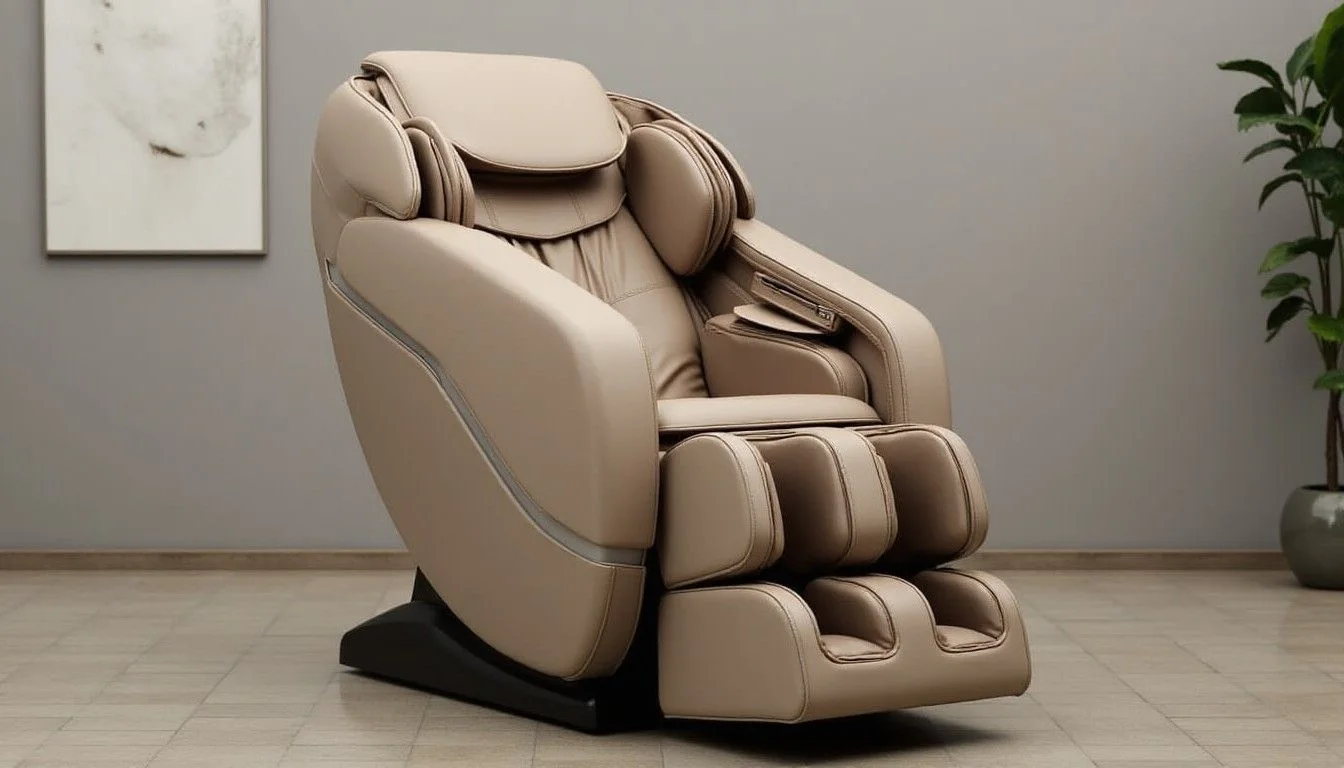
Why Massage Chairs Aren’t Worth Their High Price
Massage chairs are often marketed as luxury wellness investments that promise daily relaxation, muscle recovery, and long-term savings compared to professional massage therapy. With advanced features like body-scanning technology, zero-gravity recline, heat therapy, and full-body air compression, they can appear to justify their premium price tags. However, when carefully evaluated through cost, durability, long-term value, and realistic health outcomes, massage chairs may not deliver the return on investment many buyers expect.
Before committing to a purchase that can range from $1,500 to over $8,000, it’s important to understand the financial, practical, and health-related factors involved.
The High Upfront Cost
One of the most immediate concerns is price. High-end massage chairs often cost as much as a major appliance or an entire living room furniture set. While manufacturers frequently position them as cost-saving alternatives to ongoing massage appointments, that comparison doesn’t always hold up under scrutiny.
For example, occasional professional massages spaced throughout the year may cost significantly less than a premium massage chair. Even for individuals who prefer regular sessions, the flexibility of paying per visit allows for adjustments based on budget and need. A massage chair, on the other hand, requires a substantial upfront commitment with no guarantee of consistent long-term use.
When evaluating value, it’s important to consider opportunity cost—the other ways that same money could support long-term health and comfort, such as ergonomic office upgrades, strength training equipment, physical therapy sessions, or structured wellness programs.
Depreciation and Limited Resale Value
Unlike traditional furniture that can retain some resale value over time, massage chairs typically depreciate quickly. Their large size, complex electronics, and mechanical components make them difficult to transport and resell.
Buyers in secondary markets often hesitate to purchase used massage chairs due to hygiene concerns, uncertainty about mechanical wear, and lack of warranty coverage. As a result, resale prices are usually far below the original purchase price.
From a financial perspective, massage chairs function more like consumer electronics than long-term assets. Rapid depreciation reduces their overall investment appeal.
Ongoing Maintenance and Repair Costs
Massage chairs are mechanically complex devices. They contain motors, rollers, airbags, circuit boards, heating elements, and electronic control systems. Over time, these components can wear out or malfunction.
Common issues may include:
-
Roller misalignment
-
Airbag deflation
-
Upholstery cracking
-
Motor noise or failure
-
Remote or touchscreen malfunctions
Repairs outside of warranty can be expensive. Service visits may require specialized technicians, and replacement parts are not always readily available. Extended warranties add additional cost to the initial investment, further increasing total ownership expenses.
Unlike simple recliners or sofas that can last for decades with minimal upkeep, massage chairs often have a functional lifespan closer to 5–10 years depending on usage and build quality.
Rapid Technological Obsolescence
Many modern massage chairs rely heavily on integrated technology. Features such as Bluetooth connectivity, mobile apps, automated body scanning, and preset programs are designed to enhance the user experience.
However, technology evolves quickly. Within a few years, newer models may offer upgraded software, improved scanning systems, and enhanced features. Older models can feel outdated, especially if app support or software updates are discontinued.
Unlike timeless furniture designs, technology-driven products are more susceptible to becoming obsolete. This reduces their long-term value and may leave owners feeling pressured to upgrade sooner than expected.
Limited Personalization Compared to Professional Care
Massage chairs provide standardized programs designed for general use. Even with body-scanning capabilities, they cannot assess individual muscle imbalances, injury history, joint restrictions, or specific pain patterns.
A licensed massage therapist or physical therapist can adjust pressure, technique, and focus areas in real time based on feedback and clinical expertise. This level of personalization is difficult for a mechanical device to replicate.
For individuals dealing with chronic pain, posture-related discomfort, or injury recovery, guided therapeutic care may offer more meaningful long-term improvements. A massage chair may provide temporary comfort but does not address root causes such as weak stabilizing muscles, movement dysfunction, or ergonomic issues.
Space and Practical Limitations
Massage chairs are large and heavy, often weighing between 150 and 300 pounds. They require dedicated floor space and clearance for reclining functions. In smaller homes or apartments, accommodating such a large piece of equipment can be challenging.
Relocation adds another layer of complexity. Moving a massage chair typically requires multiple people or professional movers, increasing logistical costs and inconvenience.
Over time, lifestyle changes—such as downsizing, remodeling, or redecorating—may make owning a bulky massage chair less practical.
Decreasing Usage Over Time
A common pattern with high-ticket home wellness equipment is declining use after the initial excitement fades. While many buyers envision daily sessions, actual usage may drop significantly after the first few months.
Habituation also plays a role. The relaxing sensation that feels powerful at first may become less noticeable over time. Without intentional integration into a structured routine, the chair can become underutilized.
If used only occasionally, the cost-per-use of a massage chair rises substantially, weakening its financial justification.
Health Claims vs. Evidence
Marketing materials sometimes suggest that massage chairs provide extensive health benefits, including toxin removal, significant pain elimination, or dramatic recovery enhancement. While massage may help reduce perceived muscle tension and promote relaxation, it is not a substitute for medical treatment or structured rehabilitation.
Long-term musculoskeletal health is consistently linked to:
-
Regular strength training
-
Mobility and flexibility exercises
-
Ergonomic improvements
-
Adequate sleep
-
Stress management
-
Proper hydration and nutrition
Passive massage alone does not build muscle stability or correct posture imbalances. For many individuals, investing in exercise equipment, guided fitness programs, or ergonomic workstations may produce more durable benefits.
Comparing Cost to Alternative Wellness Investments
When considering whether massage chairs are worth their high price, it’s helpful to compare alternatives. The same budget could fund:
-
Multiple years of professional massage therapy
-
A complete home gym setup
-
Personalized physical therapy
-
High-quality ergonomic office furniture
-
Wellness retreats or stress-reduction programs
These alternatives often provide more flexibility and targeted benefits.
Who Might Still Consider One?
Despite these drawbacks, massage chairs may appeal to individuals who strongly value daily convenience, have limited access to professional therapy, or prefer private at-home relaxation. people also search
For these users, careful evaluation of warranty terms, brand reputation, service availability, and realistic usage patterns is essential before purchasing. learn more

Buymassager is a certified wellness specialist and health technology reviewer with over 12 years of experience testing therapeutic devices. As someone who personally manages [relevant condition like plantar fasciitis/neuropathy], they bring both professional expertise and real-world insight to product evaluations. Their work has been featured in [Health Magazine/Wellness Blog/Medical Review Site],
0 Comments