
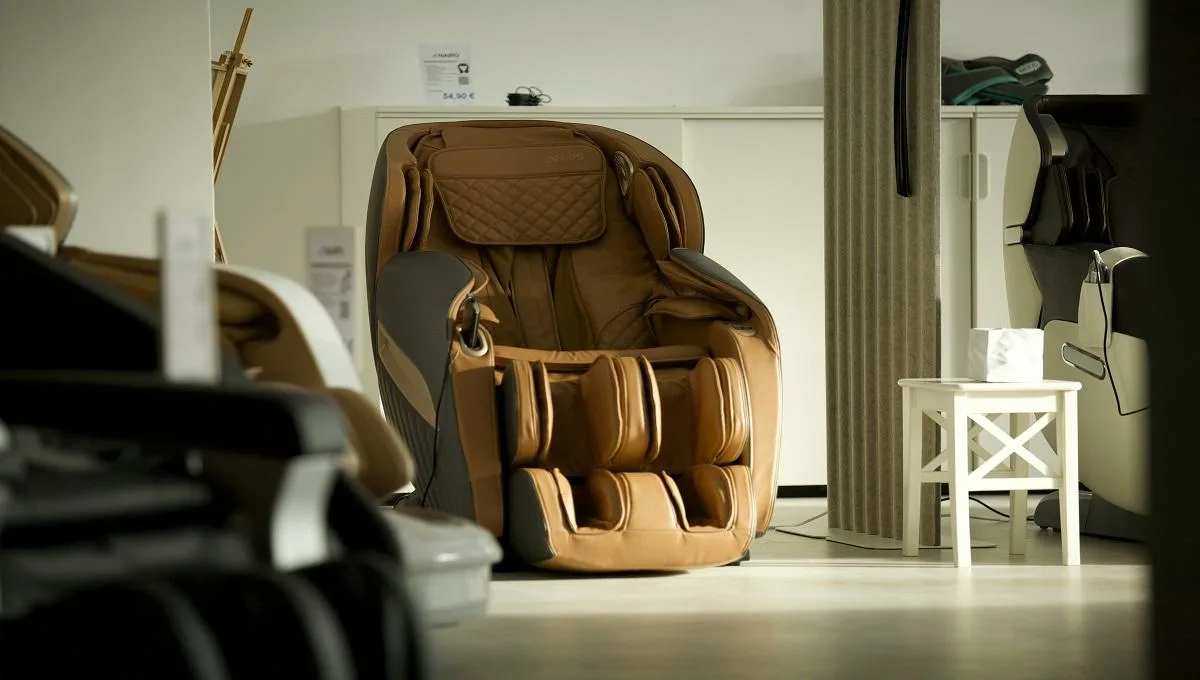
Why Massage Chairs Aren’t Worth It
Massage chairs are often marketed as the ultimate home luxury — promising relaxation, pain relief, and spa-level comfort at the touch of a button. With sleek designs and advanced features like zero gravity positioning, body scanning, and heat therapy, they seem like a long-term investment in your health.
But are they really worth it?
After researching consumer feedback, physical therapy insights, cost comparisons, and real-world usage patterns, the answer for many people is surprisingly clear: massage chairs often don’t deliver enough value to justify their high price.
Let’s break down why.
1. The High Upfront Cost Is Hard to Justify
Most quality massage chairs cost anywhere from $1,500 to $8,000 — and premium models can exceed $10,000.
That’s a major investment.
For comparison:
-
The average professional massage session costs between $60–$120.
-
Even if you got two professional massages per month, it would take years to match the cost of a high-end chair.
-
Many health insurance plans or workplace benefits partially reimburse therapeutic massages — but not massage chairs.
The reality is that many buyers underestimate how long it takes to “break even” compared to professional care.
2. They Don’t Replace a Skilled Human Therapist
This is one of the most important points.
Massage chairs follow programmed patterns. Even advanced AI-driven models can’t truly adapt to:
-
Muscle knots (trigger points)
-
Inflammation areas
-
Injury-related pain
-
Structural imbalances
-
Emotional stress cues
A licensed massage therapist adjusts pressure in real time, responds to your feedback, and tailors techniques to your body. Machines simply cannot replicate that level of responsiveness.
For people with chronic back pain, sciatica, or sports injuries, a massage chair may provide temporary relief — but it’s not a substitute for professional treatment.
3. One-Size-Fits-All Design Doesn’t Fit Everyone
Massage chairs are designed around “average” body measurements. If you are:
-
Very tall or very short
-
Broad-shouldered or petite
-
Living with spinal curvature or joint issues
You may find the rollers don’t align properly with your back. Poor alignment can reduce effectiveness — or even cause discomfort.
Many users report that what feels great for one family member feels awkward or painful for another.
4. They Take Up a Lot of Space
Massage chairs are large. Even “compact” models are bulky.
Before purchasing, consider:
-
Do you have permanent space for it?
-
Will it block walking paths?
-
Does it match your home aesthetic?
Many people buy them with excitement — only to find them becoming oversized furniture pieces that rarely get used after the first few months.
5. Maintenance and Repair Can Be Expensive
Unlike a simple recliner, massage chairs have:
-
Motors
-
Rollers
-
Airbags
-
Circuit boards
-
Heating elements
When something fails (and over time, mechanical parts do), repairs can be costly. Replacement parts are often brand-specific and not easily serviced locally.
Extended warranties can add hundreds of dollars to the purchase price.
If the electronics malfunction after the warranty expires, repairs may cost nearly as much as replacing the chair.
6. Limited Longevity Compared to the Investment
Most massage chairs have a lifespan of 5–10 years, depending on usage and build quality.
Now compare that to:
-
A couch lasting 15+ years
-
A quality mattress lasting a decade
-
Regular professional care that adapts as your body changes
Technology also becomes outdated. Newer models with improved features can make your expensive chair feel obsolete within a few years.
7. Not Ideal for Certain Health Conditions
Massage chairs are not suitable for everyone. People with:
-
Severe osteoporosis
-
Blood clotting disorders
-
Pacemakers
-
Recent surgeries
-
Advanced disc problems
should consult a doctor before using one.
While manufacturers include disclaimers, many consumers don’t fully consider medical risks before purchasing.
In contrast, a licensed therapist evaluates your health history before beginning treatment.
8. The Novelty Often Wears Off
This is a common pattern:
-
Week 1: Daily use.
-
Month 1: Several times a week.
-
Month 3: Occasionally.
-
Month 6: Rarely.
Many owners admit the chair becomes underused furniture.
Human behavior research shows that expensive “comfort gadgets” often lose novelty quickly unless integrated into a structured wellness routine.
9. Energy Consumption and Noise
Massage chairs require electricity and can be noisy during operation. In shared living spaces, this can be disruptive.
For people seeking quiet relaxation, the mechanical hum may reduce the calming experience.
10. Better Alternatives Often Exist
If your goal is pain relief, stress reduction, or muscle recovery, you may get more value from:
-
Regular professional massages
-
Physical therapy sessions
-
A high-quality ergonomic office chair
-
Foam rollers and percussion massagers
-
Stretching programs or yoga classes
For the price of one premium massage chair, you could invest in a comprehensive wellness plan that adapts to your evolving needs. People also search
When a Massage Chair Might Be Worth It
To provide balanced insight (important for making informed decisions), massage chairs can make sense if:
-
You have limited access to massage therapists
-
You have mobility challenges
-
Multiple household members will use it daily
-
You’ve tested one extensively before purchase
-
You prefer automated consistency over human interaction
But even then, careful comparison is critical.
Real-World Consumer Feedback
Online reviews frequently mention:
-
Strong pressure even at lowest settings
-
Difficulty targeting specific pain points
-
Mechanical failure after several years
-
Regret over high cost
While some users love their chairs, dissatisfaction is not uncommon — especially when expectations were unrealistic. Learn more

Buymassager is a certified wellness specialist and health technology reviewer with over 12 years of experience testing therapeutic devices. As someone who personally manages [relevant condition like plantar fasciitis/neuropathy], they bring both professional expertise and real-world insight to product evaluations. Their work has been featured in [Health Magazine/Wellness Blog/Medical Review Site],
0 Comments