
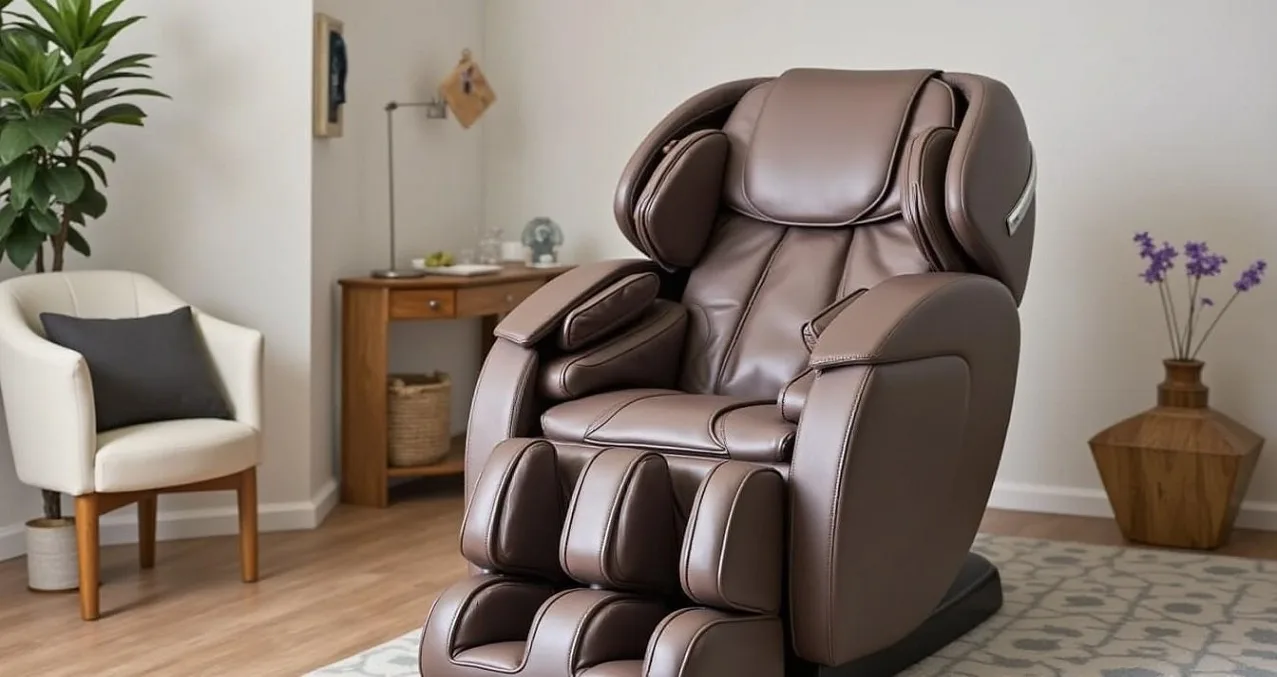
Why Massage Chairs Don’t Match Their Premium Image
Massage chairs are marketed as the ultimate symbol of home luxury. Glossy advertisements show sleek designs, futuristic controls, and promises of spa-quality relief at the push of a button. With price tags ranging from $1,000 to over $8,000, consumers expect premium quality, performance, and durability.
Yet many buyers discover that their experience doesn’t always align with the upscale image. From material wear to mechanical limitations, massage chairs often struggle to deliver the long-term value their premium branding suggests.
This article takes an objective, experience-based look at why massage chairs sometimes fail to live up to their luxury reputation—and what buyers should consider before investing.
The Gap Between Marketing and Reality
Manufacturers promote massage chairs as advanced wellness machines powered by cutting-edge technology. Terms like “4D rollers,” “zero gravity,” and “AI body scanning” create an impression of medical-grade precision.
In reality, most home massage chairs are designed for comfort—not therapeutic treatment. While they can provide relaxation and muscle stimulation, they rarely match the personalized touch of a licensed massage therapist.
The premium image is often built around features and terminology that sound impressive but may not significantly improve real-world performance.
Premium Pricing, Mass Production
Many consumers assume that a high price automatically equals handcrafted quality. However, most massage chairs are mass-produced overseas in large manufacturing facilities.
This doesn’t mean they are poorly made—but it does mean:
-
Components are often standardized
-
Materials may prioritize cost efficiency
-
Assembly is optimized for volume production
A $5,000 chair may share internal components with lower-priced models from the same manufacturer. The premium price often reflects branding, marketing, and retail markup as much as engineering quality.
Synthetic Materials vs. Luxury Expectations
From a distance, massage chairs look elegant and high-end. Up close, the materials may tell a different story.
Most massage chairs use synthetic leather (PU or PVC) rather than genuine leather. Over time, this material can:
-
Peel
-
Crack
-
Fade
-
Stretch
For a product positioned as a luxury investment, visible wear within a few years can feel disappointing. Buyers expecting furniture-grade durability often find that the upholstery does not age gracefully.
Mechanical Complexity and Reliability Concerns
Massage chairs contain numerous moving parts:
-
Roller tracks
-
Electric motors
-
Air compression pumps
-
Circuit boards
-
Heating systems
The more complex the system, the higher the likelihood of mechanical issues over time. Even minor failures—like airbag malfunctions or control panel glitches—can undermine the premium experience.
Unlike a high-end sofa or recliner, a massage chair’s value depends heavily on electronics and mechanics. When those systems fail, repairs can be expensive and inconvenient.
Limited Customization Despite “AI” Claims
Modern massage chairs often advertise “AI body scanning” technology that adjusts to the user’s shape. While this feature can improve alignment, it is not truly artificial intelligence in the advanced sense.
Most systems simply measure shoulder height and back length using sensors. The massage patterns remain pre-programmed and limited.
As a result:
-
Pressure levels may feel too intense or too weak
-
Target areas may not align perfectly
-
The experience may feel repetitive
For a premium product, users sometimes expect deeper personalization than the technology can realistically provide.
Bulky Design and Space Dominance
Luxury products are often associated with elegance and design harmony. Massage chairs, however, tend to be large and visually dominant.
Even with modern styling, they often:
-
Take up significant floor space
-
Clash with minimalist décor
-
Appear more functional than refined
In smaller homes or apartments, the chair can feel more like gym equipment than luxury furniture. The size alone can diminish the premium aesthetic many buyers envisioned.
Short-Lived Novelty Effect
When first purchased, a massage chair often feels exciting and indulgent. Over time, usage patterns can change.
Some owners report that:
-
They use the chair less frequently than expected
-
The preset programs feel repetitive
-
The novelty wears off
This shift can create a sense that the high price wasn’t fully justified. Premium products are expected to deliver long-term satisfaction—not short-term excitement.
Warranty Limitations and Service Challenges
Premium branding suggests premium support. However, warranty terms often include limitations:
-
Non-transferable coverage
-
Limited labor periods
-
Costly out-of-warranty repairs
In some cases, service technicians may be limited in certain regions, leading to delays or shipping requirements for parts.
For a product costing several thousand dollars, any difficulty in obtaining service can quickly damage the perception of quality.
Noise and Operational Disruptions
High-end products are typically associated with quiet performance. Massage chairs, however, can produce noticeable operational sounds:
-
Motor hums
-
Air pump noises
-
Roller movements
-
Mechanical clicking
While these sounds are normal, they can detract from the spa-like atmosphere buyers expect. A premium experience ideally feels seamless and tranquil—something not all massage chairs consistently achieve.
Overstated Health Claims
Some marketing materials imply therapeutic or medical benefits. While massage chairs can help with relaxation and temporary muscle relief, they are not medical devices unless explicitly certified as such.
Buyers expecting significant improvements in chronic pain, posture correction, or medical conditions may feel underwhelmed. The gap between promotional language and realistic outcomes can affect overall satisfaction.
For health concerns, consultation with licensed medical professionals remains essential.
The Psychology of Luxury Branding
Luxury perception often comes from branding elements:
-
Sleek showroom displays
-
Technical terminology
-
High price positioning
-
Influencer endorsements
These elements create expectations of exceptional performance. When the day-to-day experience feels similar to lower-cost alternatives, the premium image can weaken.
Consumers may realize that part of what they paid for was brand positioning rather than substantially superior functionality.
Rapid Technological Turnover
Technology-driven products evolve quickly. A massage chair purchased today may feel outdated within a few years as new models introduce:
-
Improved roller systems
-
Enhanced app integration
-
Voice control features
-
Updated aesthetics
Unlike timeless luxury furniture, tech-heavy products can lose their premium appeal as newer versions enter the market.
Are All Massage Chairs Overrated?
Not necessarily. Many users genuinely enjoy their massage chairs and find consistent value in regular use.
However, the key issue is expectation alignment.
Massage chairs are best viewed as:
-
Comfort-enhancing devices
-
Convenience tools for relaxation
-
Lifestyle upgrades
They are not equivalent to professional therapy, handcrafted luxury furniture, or long-term investment assets.
When buyers approach the purchase with realistic expectations, satisfaction levels tend to be higher. People also search
What Buyers Should Consider Before Purchasing
To avoid disappointment, potential buyers should evaluate:
-
Available space in their home
-
Frequency of intended use
-
Material quality and durability
-
Warranty coverage and service availability
-
Total cost, including potential maintenance
Testing the chair in person, researching independent reviews, and comparing multiple brands can also provide a clearer picture of real-world performance. Learn more

Buymassager is a certified wellness specialist and health technology reviewer with over 12 years of experience testing therapeutic devices. As someone who personally manages [relevant condition like plantar fasciitis/neuropathy], they bring both professional expertise and real-world insight to product evaluations. Their work has been featured in [Health Magazine/Wellness Blog/Medical Review Site],
0 Comments