
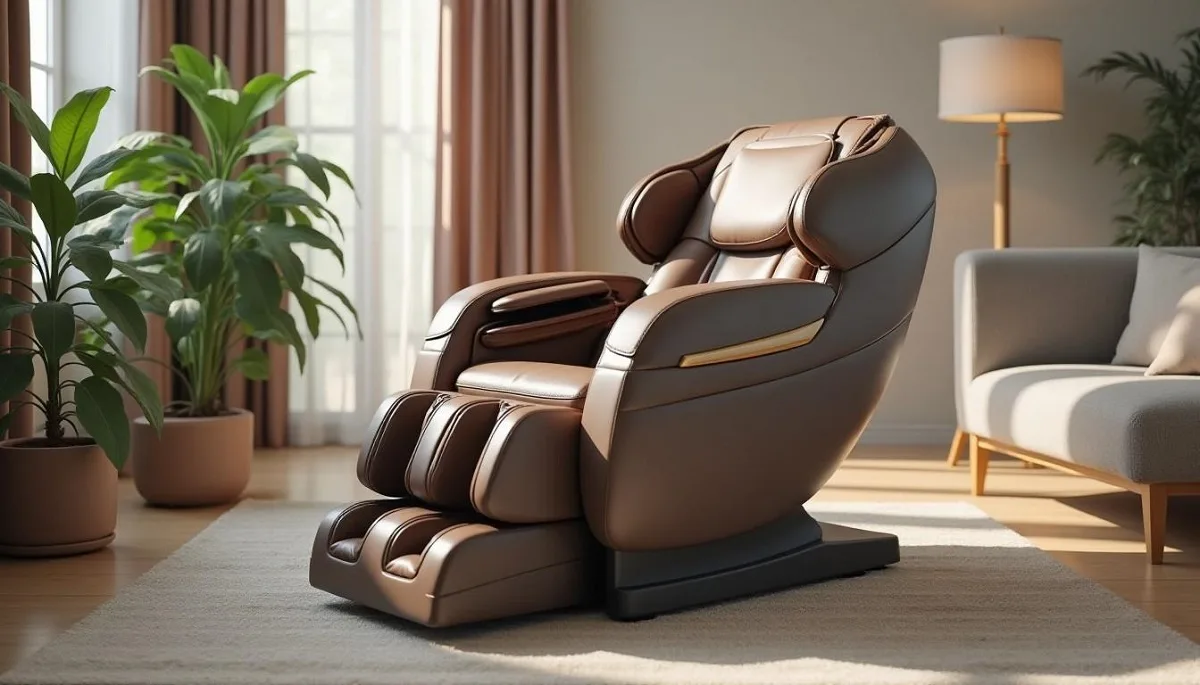
Why Massage Chairs Aren’t Suitable for Everyone
Massage chairs have become increasingly popular in recent years, especially as more people look for convenient ways to relax at home. Brands like Osaki, Human Touch, and Panasonic market advanced features such as zero gravity positioning, 4D rollers, body scanning technology, and even AI-powered massage customization.
At first glance, a massage chair seems like the perfect solution for stress relief, muscle recovery, and overall wellness. However, despite their benefits, massage chairs are not suitable for everyone. In fact, for some individuals, they may pose health risks, financial strain, or simply fail to meet expectations.
If you’re considering investing in a massage chair, it’s important to understand both the advantages and the limitations. Here’s what you need to know.
1. Certain Medical Conditions Can Make Massage Chairs Risky
One of the most important factors to consider is your health status. While massage therapy can be beneficial, automated massage chairs apply pressure and movement in a standardized way. This can be problematic for people with specific medical conditions.
People with Osteoporosis
Individuals with osteoporosis have weakened bones that are more prone to fractures. The deep kneading and percussion functions of massage chairs may apply too much force, potentially causing injury.
Those with Herniated Discs or Severe Back Problems
Although many people buy massage chairs for back pain relief, not all back pain is the same. For someone with a herniated disc or spinal instability, intense mechanical pressure may worsen inflammation or nerve compression rather than relieve it.
Heart Conditions and Pacemakers
Massage chairs use electrical components and sometimes magnetic fields. People with pacemakers or serious cardiovascular conditions should consult their doctor before use. Sudden pressure or vibration may not be advisable depending on individual health status.
Blood Clotting Disorders or Deep Vein Thrombosis (DVT)
Strong leg compression features can pose a serious risk for individuals with DVT or blood clotting issues. In such cases, mechanical pressure may dislodge a clot, leading to life-threatening complications.
Expert Tip: Always consult a qualified healthcare provider before using a massage chair if you have a chronic medical condition.
2. Pregnant Women Should Use Caution
Pregnancy places unique physical stress on the body. While gentle massage can help relieve discomfort, massage chairs are not always recommended during pregnancy, particularly in the first trimester.
Certain pressure points in the lower back and legs are believed to stimulate uterine activity. Although research is still evolving, many healthcare providers recommend avoiding mechanical massage chairs during early pregnancy unless specifically approved by a doctor.
3. Not Ideal for People with Chronic Pain Conditions
People with chronic pain conditions such as fibromyalgia may not tolerate the intensity of automated massage. Unlike a licensed massage therapist who can adjust pressure based on real-time feedback, a massage chair operates on programmed patterns.
For some users, especially those with heightened pain sensitivity, the rollers and airbags may feel too aggressive—even on lower settings.
4. One-Size-Fits-All Design Doesn’t Fit Everyone
Massage chairs use body scanning technology to adjust to the user’s height and shape, but they are still built within specific size ranges.
Height and Weight Limitations
Most massage chairs are designed for individuals between 5’0” and 6’3” and have weight limits ranging from 250 to 300 pounds. If you fall outside these parameters, the rollers may not align properly with your spine, reducing effectiveness and potentially causing discomfort.
Body Proportions Matter
Even within the acceptable height range, body proportions vary. Someone with a longer torso or shorter legs may not experience the intended massage coverage. Misalignment can lead to ineffective sessions or sore spots.
5. They Can Be Financially Burdensome
Premium massage chairs typically range in price from $1,000 to $8,000 or even higher, depending on the features and technology included. While brands like Infinity Massage Chairs and Titan Chair offer financing options, this is still a significant investment.
Hidden Costs
-
Extended warranties
-
Maintenance and repairs
-
Replacement parts
-
Electricity usage
For many households, especially those on tight budgets, this can become a financial strain rather than a wellness solution.
Limited Return on Investment
If the chair is used only occasionally, the cost per session becomes very high compared to visiting a professional massage therapist periodically.
6. Space Requirements Are Often Overlooked
Massage chairs are large and heavy, often weighing over 200 pounds. They require substantial floor space and clearance for reclining functions.
For individuals living in small apartments or shared spaces, accommodating such a bulky item may not be practical. Additionally, moving the chair can be difficult if you relocate.
7. They Don’t Replace Human Touch
One of the most overlooked aspects of massage therapy is the human connection. A licensed massage therapist can:
-
Adjust pressure based on feedback
-
Identify muscle knots in real time
-
Modify techniques to suit your needs
-
Provide emotional comfort and relaxation
A massage chair, no matter how advanced, cannot replicate the intuitive touch and adaptability of a trained professional.
8. Potential Overuse and Misuse
Because massage chairs are available at home, users may overuse them. Excessive daily use, especially at high intensity, can lead to:
-
Muscle soreness
-
Bruising
-
Nerve irritation
-
Increased inflammation
Professional massage sessions are typically spaced out to allow recovery. Without guidance, users may unknowingly overdo it.
9. Psychological Expectations vs. Reality
Marketing materials often portray massage chairs as life-changing wellness tools. However, expectations may not always match reality.
Some users report:
-
Discomfort during initial sessions
-
Noise levels that disrupt relaxation
-
Mechanical sensations that feel unnatural
-
Difficulty navigating complex controls
When expectations are too high, dissatisfaction can follow—even if the product functions as designed.
10. Noise Sensitivity and Sensory Issues
Massage chairs contain motors, rollers, and air pumps. While newer models are quieter, they still produce mechanical sounds.
For individuals with sensory sensitivities, anxiety, or conditions such as autism spectrum disorder, the vibration and noise may be overstimulating rather than calming. People also search
11. Safety Concerns for Elderly Users
Older adults may have fragile skin, reduced bone density, or balance issues. Getting in and out of a reclining massage chair can pose fall risks. Additionally, they may not recognize when pressure is too intense, leading to bruising.
Careful supervision and medical advice are especially important for elderly users.
When Massage Chairs Can Be a Good Fit
Despite these limitations, massage chairs can be beneficial for:
-
Generally healthy adults
-
Individuals with mild muscle tension
-
Busy professionals seeking convenient stress relief
-
Athletes looking for supplemental recovery support
The key is informed decision-making. Learn more

Buymassager is a certified wellness specialist and health technology reviewer with over 12 years of experience testing therapeutic devices. As someone who personally manages [relevant condition like plantar fasciitis/neuropathy], they bring both professional expertise and real-world insight to product evaluations. Their work has been featured in [Health Magazine/Wellness Blog/Medical Review Site],
0 Comments