
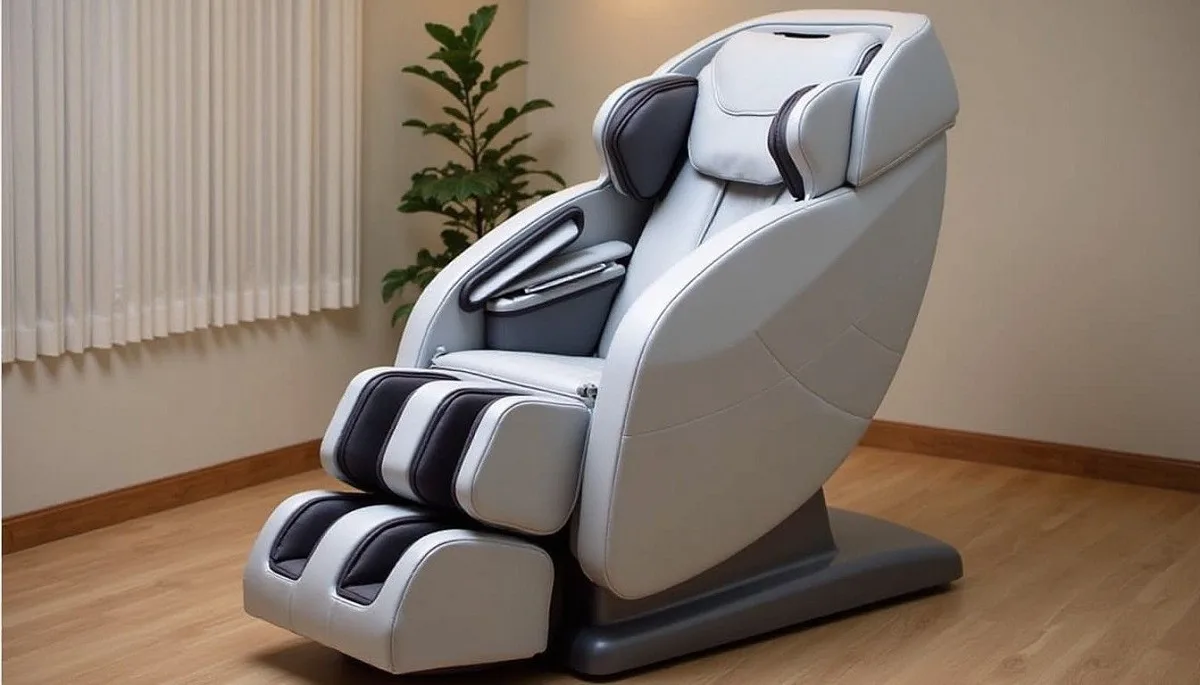
Why Massage Chairs Are Costly to Fix
Massage chairs are often seen as long-term wellness investments. With advanced features like body scanning, zero-gravity recline, air compression systems, heating elements, and computerized massage programs, they promise comfort and convenience at home. However, many owners are surprised to learn that when something goes wrong, repairs can be expensive.
As someone who has researched home wellness equipment and spoken with service technicians and long-term owners, I’ve found that massage chair repair costs are driven by several hidden factors: mechanical complexity, electronics integration, specialized labor, and limited parts availability.
If you’re considering purchasing a massage chair—or already own one—understanding why repairs are costly can help you make smarter decisions.
1. Complex Mechanical Engineering
Modern massage chairs are far more than padded recliners. Inside the frame, you’ll find:
-
Motorized roller tracks
-
Multiple electric motors
-
Gear systems
-
Air compressors and valves
-
Heating modules
-
Circuit boards and control panels
High-end brands like Osaki, Human Touch, and Panasonic integrate dozens of moving components designed to simulate human massage techniques.
When a single motor fails or a gear misaligns, accessing it often requires partially dismantling the chair. Labor alone can take hours.
Unlike simple furniture repairs, these systems combine mechanical engineering with digital programming—making troubleshooting more complex.
2. Advanced Electronic Systems
Many massage chairs operate using internal computer boards similar to those found in appliances or even small robotics systems.
Features such as:
-
Body scanning technology
-
Touchscreen remotes
-
Bluetooth connectivity
-
Automated massage programs
depend on functioning circuit boards.
If a main control board fails, replacement can be expensive because:
-
Boards are model-specific
-
They are rarely interchangeable
-
They must be programmed or calibrated
In some cases, replacement boards cost several hundred dollars before labor is even added.
3. Limited Access to Replacement Parts
Massage chairs are not standardized like common household appliances. Many parts are proprietary—designed specifically for a single model or product line.
This means:
-
Parts may need to be ordered directly from the manufacturer
-
Shipping times can be long
-
International import costs may apply
If a manufacturer discontinues a model, parts availability may become even more limited. Owners of older chairs sometimes discover that repair is impossible because parts are no longer produced.
4. Specialized Technicians Are Required
Repairing a massage chair is not a typical handyman job.
Technicians must understand:
-
Electrical wiring systems
-
Mechanical drive assemblies
-
Air compression systems
-
Safety lock mechanisms
Not all appliance repair companies service massage chairs. In many regions, only authorized service providers can perform repairs—especially during warranty periods.
Specialized labor naturally costs more.
5. Warranty Limitations
Many buyers assume that warranty coverage eliminates repair expenses. However, warranties often have limitations.
Typical warranty structures may include:
-
1–3 years on parts
-
1 year on labor
-
Extended warranties at additional cost
After the labor coverage expires, even covered parts may require the owner to pay technician fees.
It’s critical to carefully review warranty details before purchase.
6. Weight and Transportation Challenges
Massage chairs can weigh between 150 and 300 pounds. Moving them for service is not simple.
If in-home repair is unavailable, transportation costs can add significantly to total repair expenses.
Disassembly for transport may also increase labor costs.
7. Wear and Tear on High-Use Components
Massage chairs experience repetitive mechanical motion. Motors, rollers, and air compressors cycle thousands of times.
Common high-wear components include:
-
Roller track motors
-
Air pumps
-
Recline mechanisms
-
Heating pads
Over time, these parts degrade, especially in households with frequent daily use.
Unlike standard recliners, these components are dynamic rather than static—leading to higher long-term maintenance demands.
8. International Manufacturing and Supply Chains
Many massage chairs are manufactured overseas. While companies like Panasonic have global infrastructure, other brands rely on limited distribution networks.
When parts must be imported:
-
Shipping fees increase
-
Wait times lengthen
-
Exchange rate fluctuations may affect cost
Global supply chain disruptions can further raise repair expenses.
9. Software and Calibration Issues
Advanced models often require recalibration after component replacement. Body scanning systems must correctly measure spine curvature and shoulder position.
Improper calibration may cause:
-
Uneven massage pressure
-
Track misalignment
-
Safety shutdown errors
Technicians may need diagnostic tools specific to the brand. People also search
How to Reduce Repair Costs
While repairs can be costly, proactive steps can reduce risk.
1. Choose Reputable Brands
Established manufacturers like Human Touch and Osaki often provide better customer support and clearer warranty policies.
2. Purchase Extended Warranty Coverage
If available, extended labor coverage may save significant money in later years.
3. Follow Usage Guidelines
Avoid excessive daily use at maximum intensity settings. Moderate use reduces mechanical strain.
4. Maintain Proper Environment
Keep the chair in a dry, climate-controlled space. Moisture can damage electronics and air systems.
5. Perform Regular Cleaning
Dust accumulation inside air compressors and vents can affect performance.
Is Repair Worth It?
In some cases, repair costs approach half the original purchase price. Owners must evaluate:
-
Age of the chair
-
Availability of parts
-
Overall condition
-
Warranty status
For older models, replacement may be more economical than repair.
A Realistic Perspective
Massage chairs are sophisticated machines. Their cost reflects advanced engineering, electronics, and comfort design. However, that complexity also makes them more expensive to repair than standard furniture.
They are not simple recliners—they are mechanical wellness devices.
Before purchasing, factor in potential maintenance costs just as you would when buying a car or high-end appliance. Learn more

Buymassager is a certified wellness specialist and health technology reviewer with over 12 years of experience testing therapeutic devices. As someone who personally manages [relevant condition like plantar fasciitis/neuropathy], they bring both professional expertise and real-world insight to product evaluations. Their work has been featured in [Health Magazine/Wellness Blog/Medical Review Site],
0 Comments