
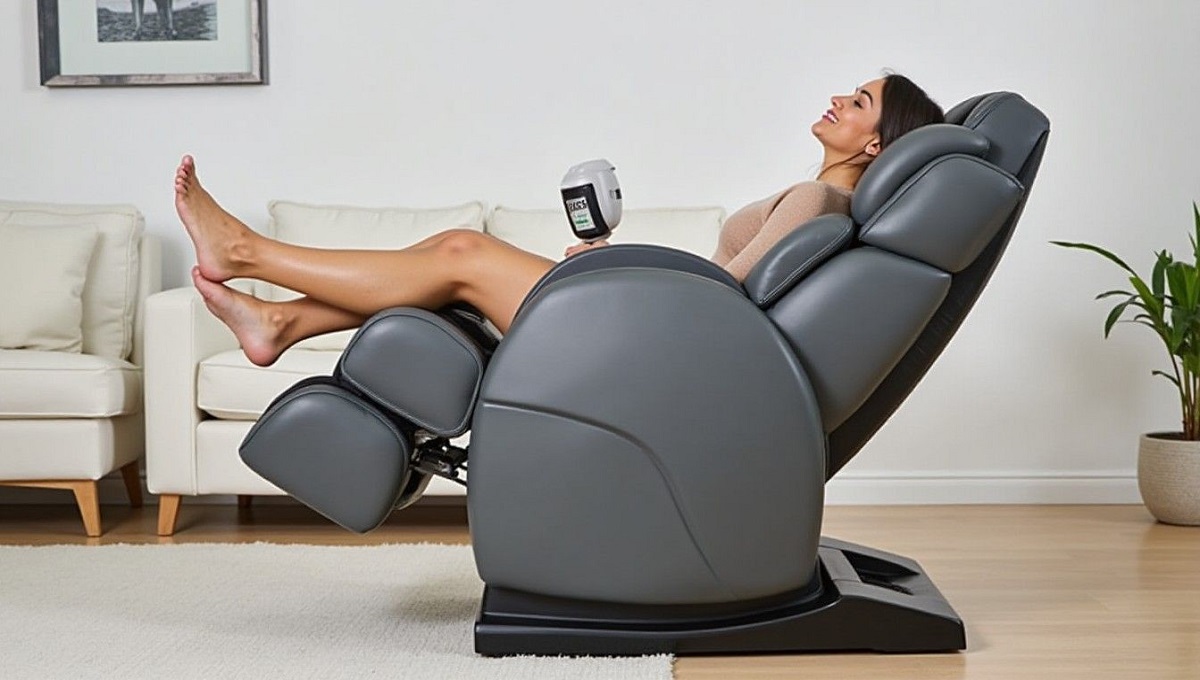
Massage Chairs for People With Cold Feet and Legs
Cold feet and legs are more than just a seasonal annoyance. For many people, they are a daily discomfort that affects sleep, concentration, and overall well-being. Whether caused by prolonged sitting, stress, mild circulation issues, or lifestyle habits, consistently cold lower extremities can signal that blood flow and muscle activity need attention.
Massage chairs are often marketed as a solution for improving circulation and warming the body. But how effective are they for people who regularly experience cold feet and legs? Understanding both their benefits and limitations is essential before relying on one as part of your wellness routine.
Why Do Feet and Legs Feel Cold?
Cold feet and legs are commonly linked to reduced blood flow. Circulation relies on the heart pumping oxygen-rich blood through arteries and returning it through veins. When this process slows—especially in the lower body—extremities may feel cold.
Several factors contribute to this sensation:
-
Sedentary lifestyle or prolonged sitting
-
Poor posture that compresses blood vessels
-
Stress-related blood vessel constriction
-
Low muscle activity in the calves
-
Dehydration
-
Certain medical conditions
The calf muscles play a crucial role in circulation. Often called the “second heart,” the calves help pump blood back up toward the heart when you walk or move. When activity levels are low, blood return may slow, contributing to cold sensations.
How Massage Chairs May Help
Massage chairs use mechanical rollers, airbags, vibration, and heat to stimulate muscles and soft tissue. For individuals with mild coldness due to inactivity or tension, these features may offer temporary relief.
1. Air Compression for the Lower Legs
Many massage chairs include airbag systems around the calves and feet. These airbags inflate and deflate rhythmically, gently compressing the muscles.
This compression can support venous return—the process of moving blood from the lower limbs back toward the heart. By encouraging blood movement, users may experience a warming sensation and reduced heaviness in the legs.
However, the effect is generally short-term and works best when combined with regular movement.
2. Heat Therapy
Heat is one of the most noticeable features for people with cold extremities. Built-in heating elements in the lumbar or calf areas can promote vasodilation, meaning blood vessels widen and allow more blood to flow.
This can:
-
Warm surface tissues
-
Increase comfort
-
Relax tight muscles
-
Improve short-term circulation in targeted areas
For individuals whose cold feet are related to muscle tension or stress, heat combined with massage may be particularly soothing.
3. Roller Stimulation Along the Spine
While cold feet are located in the lower body, circulation is influenced by the entire nervous system. Massage chairs often provide rolling and kneading along the spine.
Techniques similar to Swedish massage promote relaxation, which can help blood vessels relax as well. Reduced stress supports improved circulation overall.
Deeper techniques inspired by Deep tissue massage may relieve muscle tightness that indirectly affects posture and blood flow.
Although massage chairs cannot fully replicate these professional methods, they can stimulate muscles and promote a sense of warmth.
The Nervous System Connection
Cold feet are not always purely circulatory. Stress plays a significant role.
When the body is under stress, the sympathetic nervous system activates the “fight or flight” response. This can cause blood vessels in the extremities to constrict, redirecting blood toward vital organs.
Massage—whether mechanical or manual—can encourage a shift toward the parasympathetic (rest-and-digest) state. When relaxation increases, blood vessels tend to dilate, potentially reducing cold sensations.
Massage chairs may support this process through repetitive pressure and warmth, but human touch often deepens the relaxation response by adapting to your breathing and muscle tension in real time.
When Massage Chairs Are Most Helpful
Massage chairs may benefit individuals who:
-
Sit at a desk for long hours
-
Experience mild coldness due to inactivity
-
Have muscle tension affecting circulation
-
Seek convenient, daily comfort
For these users, 15–20 minute sessions with moderate heat and compression may provide noticeable warmth and relief.
Limitations You Should Understand
While massage chairs can provide temporary improvement, they are not medical devices.
If cold feet and legs are caused by:
-
Peripheral artery disease
-
Diabetes-related circulation problems
-
Raynaud’s phenomenon
-
Severe varicose veins
-
Blood clot risk
Mechanical massage alone will not address the underlying issue.
In fact, strong compression or heat may not be advisable for certain vascular conditions. Consulting a healthcare provider is essential if cold extremities are persistent, painful, or accompanied by numbness or color changes.
Movement Is Still the Most Powerful Tool
Although massage chairs may stimulate blood flow temporarily, regular physical activity remains the most effective way to improve circulation.
Simple habits can make a major difference:
-
Walking for 20–30 minutes daily
-
Stretching calf muscles
-
Elevating legs periodically
-
Staying hydrated
-
Avoiding prolonged sitting
The calf muscles contract during walking, actively pushing blood upward. This natural mechanism is far more effective long-term than passive stimulation alone.
Massage chairs should be viewed as supportive tools—not replacements for movement.
Safety Tips for Use
If you plan to use a massage chair for cold feet and legs, keep these guidelines in mind:
-
Start with low to moderate intensity
-
Limit sessions to 15–20 minutes
-
Use heat cautiously if you have reduced sensation
-
Stop immediately if you feel pain, dizziness, or numbness
-
Stay hydrated before and after use
If symptoms persist despite lifestyle improvements, medical evaluation is recommended. People also search
Professional Massage vs. Massage Chairs
Professional massage therapy offers adaptive techniques that respond to your body’s specific needs. Therapists can focus on areas restricting circulation, adjust pressure, and guide blood flow intentionally toward the heart.
Massage chairs follow fixed tracks and programmed cycles. They provide consistency, but not personalized assessment.
For individuals with chronic cold extremities linked to muscular imbalance or stress, professional massage may provide more targeted results. Learn more

Buymassager is a certified wellness specialist and health technology reviewer with over 12 years of experience testing therapeutic devices. As someone who personally manages [relevant condition like plantar fasciitis/neuropathy], they bring both professional expertise and real-world insight to product evaluations. Their work has been featured in [Health Magazine/Wellness Blog/Medical Review Site],
0 Comments