
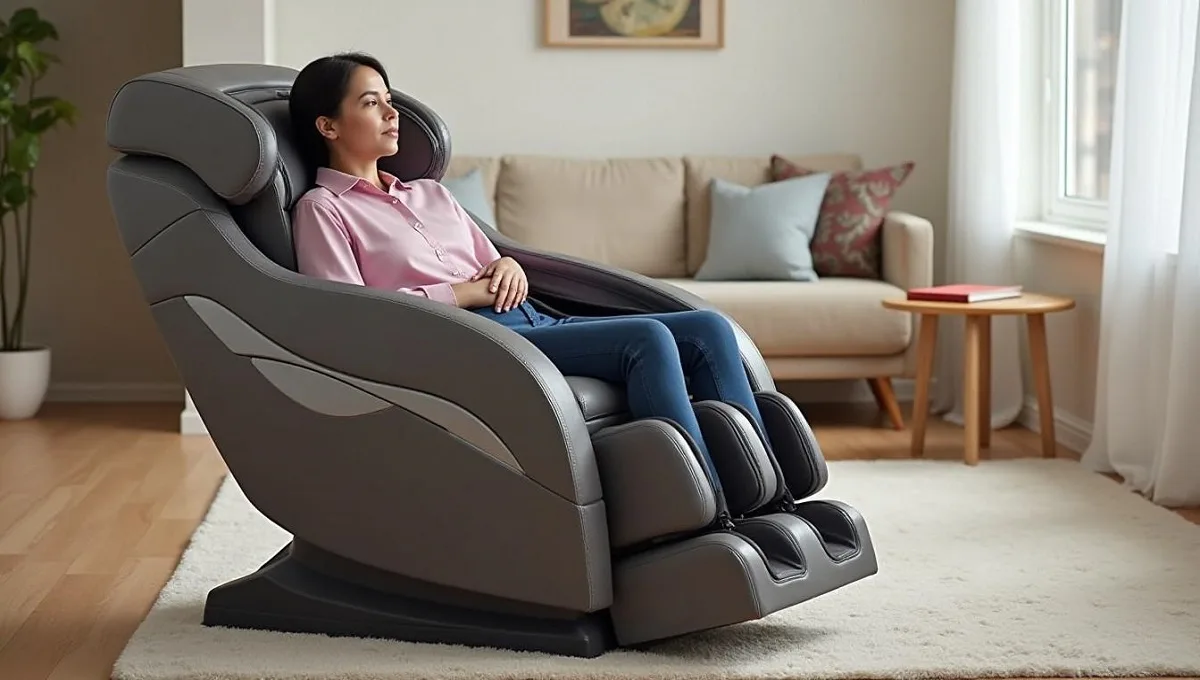
Massage Chairs for Managing Sciatica Discomfort
Sciatica discomfort can be exhausting. The sharp, radiating pain that travels from the lower back down through the buttock and into the leg can interfere with sleep, work, and even simple daily movements. For many people, sciatica is not just back pain — it is nerve-related pain that affects mobility and quality of life.
As more people look for non-invasive, at-home solutions, massage chairs have become a popular option. But can they actually help manage sciatica discomfort? The answer depends on the cause of the pain, how the chair is used, and individual health factors.
Understanding sciatica is the first step. Sciatica refers to irritation or compression of the sciatic nerve, the longest nerve in the body. It commonly results from a herniated disc, spinal stenosis, degenerative disc disease, or muscle-related compression such as piriformis syndrome. Symptoms may include burning pain, tingling, numbness, or weakness along one side of the body.
In many mild to moderate cases, muscle tension plays a significant role. Tight muscles in the lower back, hips, and gluteal region can increase pressure around the sciatic nerve. This is where massage therapy, including massage chairs, may offer relief.
Modern massage chairs are designed to simulate techniques such as kneading, rolling, tapping, and shiatsu. Many models also include lumbar heat therapy, body scanning technology, stretch programs, and zero-gravity positioning. These features work together to reduce muscle tension and improve circulation, two factors closely linked to nerve comfort.
One of the primary ways massage chairs may help with sciatica discomfort is through muscle relaxation. When the muscles surrounding the lower spine and hips relax, pressure on the sciatic nerve may decrease. Reduced muscle tightness can improve flexibility and decrease the intensity of nerve irritation. For individuals whose sciatica is triggered by prolonged sitting or muscle
Meta Description:
Can massage chairs help manage sciatica discomfort? Learn how they work, potential benefits, safety tips, expert insights, and when to seek medical care for lasting relief.
Massage Chairs for Managing Sciatica Discomfort
Sciatica discomfort can feel overwhelming. The sharp, radiating pain that travels from the lower back through the hips and down one leg can make sitting, walking, or even sleeping difficult. For many people, it’s not just occasional back pain — it’s nerve irritation that disrupts daily life.
If you’re exploring non-invasive ways to manage symptoms at home, you may have considered a massage chair. These devices are often marketed as full-body wellness tools, but can they truly help with sciatica discomfort?
The answer is nuanced. Massage chairs are not a cure for sciatica, but in certain cases, they can play a supportive role in managing symptoms. Understanding how and when they help is key.
Understanding Sciatica
Sciatica is a condition characterized by pain that occurs when the sciatic nerve — the longest and widest nerve in the body — becomes irritated or compressed. It typically affects one side and may cause:
• Sharp or burning pain
• Tingling sensations
• Numbness
• Muscle weakness
• Pain that worsens with prolonged sitting
Common causes include herniated discs, spinal stenosis, degenerative disc disease, and muscle-related compression such as piriformis syndrome.
In many mild to moderate cases, tight muscles in the lower back and hips contribute significantly to nerve irritation. That’s where massage-based therapies may offer relief.
How Massage Chairs Work
Modern massage chairs use a combination of rollers, airbags, vibration systems, and heat to simulate techniques like kneading, tapping, shiatsu, and rolling. Many advanced models include:
• Lumbar heat therapy
• Body scanning to adjust to your spine
• Stretch programs
• Air compression for hips and legs
• Zero-gravity positioning inspired by research from NASA
These features aim to relax muscles, improve circulation, and reduce pressure on the spine.
How Massage Chairs May Help Sciatica
Muscle relaxation is one of the primary benefits. Tight muscles in the gluteal area, lower back, and hips can compress or irritate the sciatic nerve. By loosening these muscles, massage may reduce secondary pressure on the nerve.
Improved circulation is another factor. Massage increases blood flow to affected areas, helping deliver oxygen and nutrients while reducing inflammation. Enhanced circulation can support the body’s natural healing process.
Zero-gravity positioning may also temporarily reduce spinal compression. By distributing body weight more evenly, this position decreases pressure on lumbar discs, which may ease discomfort in some individuals.
Heat therapy adds another layer of benefit. Warmth promotes muscle relaxation and can soothe stiffness, particularly in chronic cases where tension contributes to pain.
What Massage Chairs Cannot Do
It’s important to set realistic expectations. Massage chairs cannot:
• Repair a herniated disc
• Reverse spinal stenosis
• Correct structural misalignment
• Replace physical therapy or medical treatment
If sciatica stems from significant structural problems, professional medical care is necessary. Massage chairs are best viewed as a complementary tool rather than a standalone solution.
Who May Benefit Most
Massage chairs may be helpful for individuals with:
• Mild to moderate sciatica
• Muscle-related nerve irritation
• Posture-related lower back tension
• Sedentary lifestyle-related stiffness
• Stress-induced muscle tightness
People whose symptoms improve with stretching or gentle movement may find massage particularly supportive.
When to Avoid Using a Massage Chair
Certain situations require caution or medical guidance. Avoid or consult a doctor before use if you have:
• Severe or worsening leg weakness
• Loss of bladder or bowel control
• Recent spinal surgery
• Advanced osteoporosis
• Acute inflammation or severe disc injury
Sudden, intense pain or progressive neurological symptoms require immediate medical evaluation.
Expert Perspective on Conservative Care
Healthcare professionals often recommend conservative management for sciatica before considering invasive treatments. Conservative strategies typically include:
• Physical therapy
• Targeted exercises
• Posture correction
• Weight management
• Anti-inflammatory approaches
Massage chairs can complement these strategies by supporting muscle relaxation and recovery between therapy sessions.
However, long-term improvement depends on addressing the root cause. Core strengthening and mobility exercises remain essential for lasting results.
Practical Tips for Safe Use
If you decide to use a massage chair for sciatica discomfort, follow these guidelines:
Start with low intensity settings. High pressure may aggravate sensitive areas.
Limit sessions to 15–20 minutes initially. Monitor how your body responds.
Use lumbar heat moderately to avoid irritation.
Avoid aggressive rollers directly over inflamed spots.
Stop immediately if pain worsens or numbness increases.
Consistency with gentle sessions is often more beneficial than infrequent intense use.
The Role of Stress and Tension
Chronic stress can tighten muscles and worsen nerve discomfort. Massage chairs provide relaxation that may indirectly help reduce sciatica flare-ups triggered by stress-related muscle tension.
By activating the parasympathetic nervous system — the body’s relaxation response — massage can lower muscle guarding and improve overall comfort. People also search
Scientific Evidence and Limitations
Research on massage therapy suggests benefits for lower back pain and muscle tension relief. While studies specifically on massage chairs are limited, their mechanisms mirror traditional massage techniques.
Evidence supports that massage may:
• Improve short-term pain levels
• Increase mobility
• Reduce muscle tightness
• Enhance quality of life
However, long-term outcomes depend heavily on exercise, posture habits, and overall spinal health.
Realistic Expectations
Massage chairs can provide temporary relief and support muscle health, but they are not a cure. For many users, the benefits include:
• Reduced muscle stiffness
• Improved comfort while sitting
• Better relaxation
• Enhanced recovery after activity
For lasting improvement, they should be part of a comprehensive approach that includes strengthening, stretching, and medical guidance when needed. Learn more

Buymassager is a certified wellness specialist and health technology reviewer with over 12 years of experience testing therapeutic devices. As someone who personally manages [relevant condition like plantar fasciitis/neuropathy], they bring both professional expertise and real-world insight to product evaluations. Their work has been featured in [Health Magazine/Wellness Blog/Medical Review Site],
0 Comments