
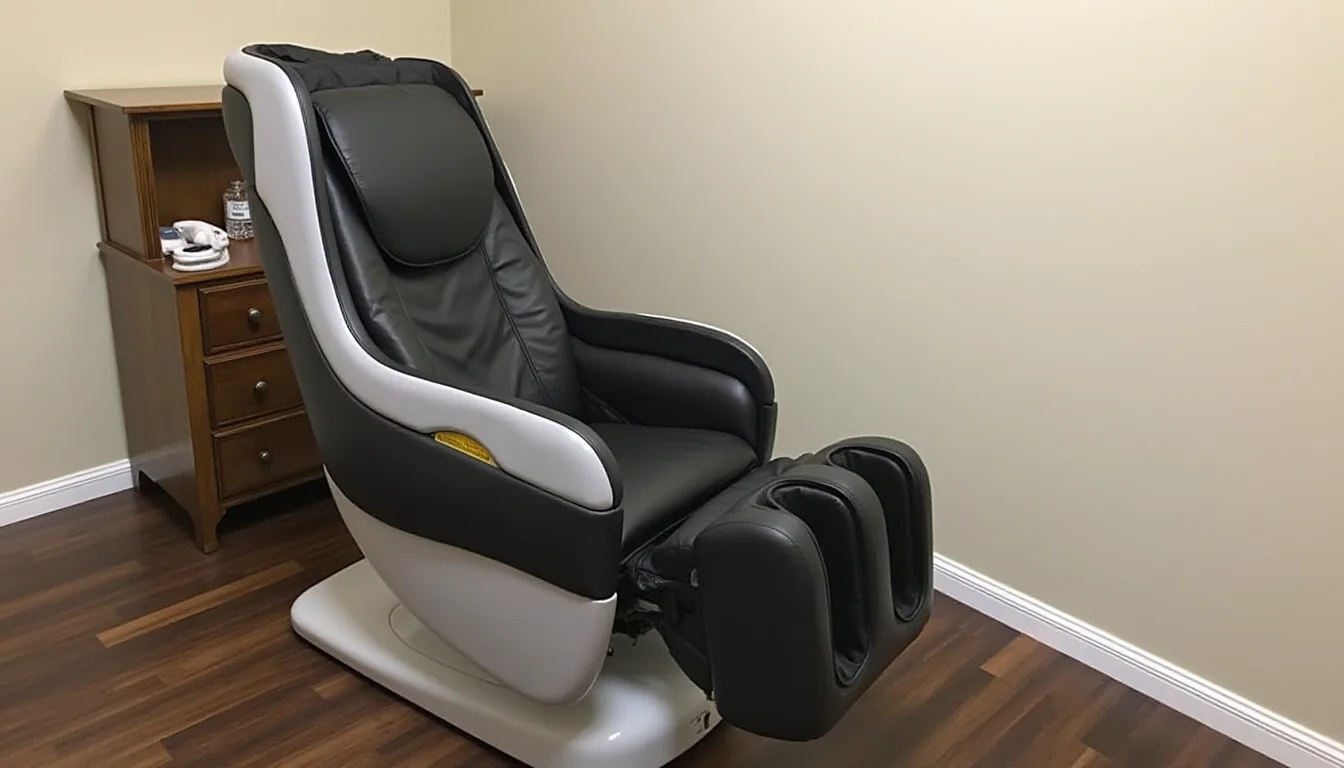
How Massage Chairs May Help With Muscle Soreness
Muscle soreness is a common part of an active life. Whether it shows up after an intense workout, a long shift on your feet, hours at a desk, or even a weekend of yard work, stiff and tender muscles can interfere with daily routines. Many people look for convenient ways to ease discomfort at home, and massage chairs have become a popular option. But can a massage chair actually help with muscle soreness? When viewed through the lens of established recovery science and practical experience, massage chairs may offer meaningful support—especially when used appropriately and as part of a balanced wellness plan.
Understanding Muscle Soreness
To understand how massage chairs may help, it’s important to first understand what muscle soreness is. The most common type is delayed onset muscle soreness (DOMS), which typically develops 24 to 72 hours after unfamiliar or strenuous physical activity. DOMS is believed to result from microscopic damage to muscle fibers during exercise, particularly movements that involve lengthening under load (eccentric contractions). This micro-damage triggers a natural inflammatory response, which contributes to tenderness, stiffness, and reduced range of motion.
In most cases, muscle soreness is temporary and resolves on its own within a few days. However, during that time, it can make movement uncomfortable and reduce performance. Recovery strategies often focus on improving circulation, maintaining gentle mobility, reducing excessive muscle tension, and supporting relaxation. Massage—whether manual or mechanical—has long been used for these purposes.
The Science Behind Massage and Recovery
Research on massage therapy suggests it may help reduce the perception of muscle soreness and improve short-term flexibility. Proposed mechanisms include increased blood flow to soft tissues, stimulation of pressure receptors that influence the nervous system, and temporary reductions in muscle stiffness. While massage does not eliminate the natural repair process that muscles undergo after exercise, it may improve comfort during recovery.
Massage chairs are designed to replicate many traditional massage techniques. Modern models often include rollers that knead and glide along the spine, air compression systems that gently squeeze limbs, tapping or percussion functions, and built-in heat therapy. These features aim to stimulate soft tissue in ways similar to hands-on massage.
It’s important to note that while there is substantial research on manual massage, studies specifically focused on massage chairs are more limited. However, because massage chairs use comparable mechanical principles—pressure, movement, compression, and heat—their potential benefits are often discussed in the context of broader massage therapy research.
Improved Circulation and Tissue Oxygenation
One of the most commonly cited benefits of massage is improved local circulation. After strenuous activity, muscles require oxygen and nutrients to support repair. Gentle mechanical stimulation from a massage chair may encourage blood flow to targeted areas, particularly in the back, shoulders, and legs.
Enhanced circulation does not “flush out toxins” in the simplistic way marketing language sometimes suggests. Instead, it supports the body’s natural processes by facilitating nutrient delivery and metabolic exchange. For individuals experiencing stiffness after exercise or prolonged sitting, this increase in blood flow may help reduce the sensation of tightness.
Heat therapy, included in many massage chairs, may further support this effect. Warmth is widely used in physical therapy settings to promote relaxation of tight muscles and increase tissue elasticity. When combined with mechanical massage, heat may enhance overall comfort.
Neuromuscular Relaxation and Reduced Muscle Guarding
Muscle soreness is often accompanied by protective tightness. When muscles feel tender, the body may respond by maintaining a low-level contraction to guard against further strain. This can increase stiffness and limit range of motion.
Massage chair movements—such as kneading, rolling, and compression—stimulate sensory receptors in the skin and underlying tissues. This stimulation may influence the autonomic nervous system, encouraging a shift from a stress-dominant state to a more relaxed, parasympathetic state. When the nervous system relaxes, muscle guarding may decrease, which can reduce the perception of soreness.
Pain science research consistently shows that pain and soreness are influenced not only by tissue condition but also by the nervous system’s interpretation of signals. By promoting relaxation, massage chairs may indirectly help the body interpret post-exercise discomfort as less intense.
Support for Flexibility and Range of Motion
Stiff muscles can temporarily restrict joint movement. Many massage chairs include stretching programs that gently recline the user while applying pressure along the back or compressing the legs. While this is not a substitute for guided physical therapy or structured mobility training, it may complement active recovery.
Maintaining light movement during soreness—such as walking, stretching, or low-intensity exercise—is often recommended over complete inactivity. A massage chair session may help prepare the muscles for gentle activity by reducing stiffness beforehand.
Psychological Benefits and Stress Reduction
Muscle soreness does not exist in isolation from stress. High stress levels and poor sleep can increase sensitivity to discomfort. Massage chairs often provide a calming environment that encourages relaxation, deep breathing, and mental decompression.
Stress reduction is a legitimate and meaningful aspect of recovery. When the body is in a relaxed state, heart rate may decrease and breathing may slow. This can contribute to an overall sense of relief, even if the underlying muscle repair process continues naturally. Better relaxation may also support improved sleep quality, which is one of the most important components of muscle recovery.
Convenience and Consistency
One practical advantage of massage chairs is accessibility. Professional massage therapy can be highly effective, but regular appointments may not be feasible for everyone due to cost or scheduling limitations. A massage chair allows users to access consistent sessions at home.
Consistency matters in recovery. Short, moderate sessions—especially when started at lower intensity levels—may help maintain muscle comfort over time. However, more is not always better. Excessive pressure or prolonged sessions on already inflamed tissue could increase discomfort. Most manufacturers recommend limiting sessions to 15–30 minutes and adjusting intensity based on personal tolerance.
Safety Considerations
While massage chairs may benefit many people with mild to moderate muscle soreness, they are not appropriate for every situation. Severe pain, swelling, bruising, or sharp, localized discomfort could indicate an acute injury such as a strain or tear. In these cases, medical evaluation is recommended before using mechanical massage. People also search
Individuals with certain medical conditions—such as deep vein thrombosis, severe osteoporosis, recent surgery, uncontrolled cardiovascular conditions, or pregnancy—should consult a qualified healthcare professional before using a massage chair. Responsible use and professional guidance align with widely accepted health and safety recommendations.
Setting Realistic Expectations
Massage chairs are supportive tools, not cure-alls. They do not prevent soreness entirely, nor do they replace structured strength training, proper warm-ups and cool-downs, hydration, balanced nutrition, or adequate rest. Muscle adaptation requires controlled stress followed by recovery. Massage may improve comfort during that process but does not eliminate the biological mechanisms behind soreness.
For active individuals, massage chairs may serve as one component of a comprehensive recovery strategy. When combined with evidence-informed practices—such as gradual training progression, mobility work, sleep optimization, and proper nutrition—they may help maintain overall muscle comfort and flexibility. Learn more

Buymassager is a certified wellness specialist and health technology reviewer with over 12 years of experience testing therapeutic devices. As someone who personally manages [relevant condition like plantar fasciitis/neuropathy], they bring both professional expertise and real-world insight to product evaluations. Their work has been featured in [Health Magazine/Wellness Blog/Medical Review Site],
0 Comments