
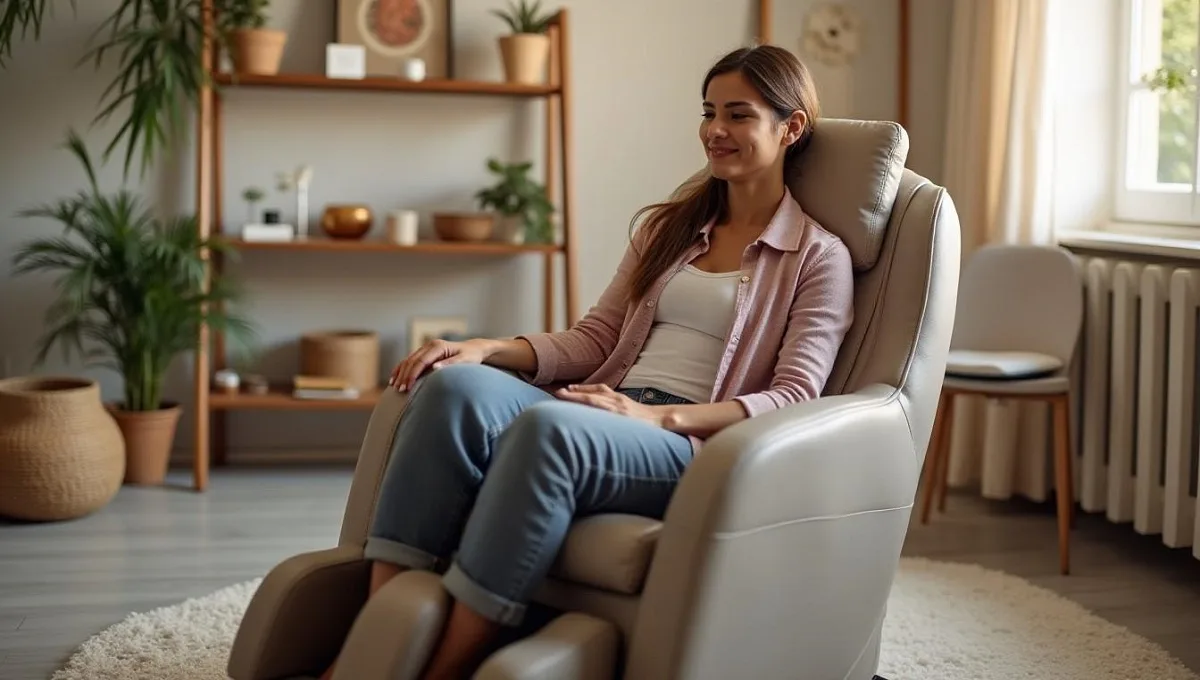
How Massage Chairs May Support Mental Relaxation
Mental relaxation is no longer a luxury—it’s a necessity. In a world filled with constant notifications, long work hours, financial pressures, and digital overload, the brain rarely gets a break. Many people report feeling mentally exhausted even when physically inactive. Over time, this chronic mental strain can contribute to irritability, sleep problems, reduced focus, and emotional burnout.
As someone who has researched wellness technologies and spoken with both healthcare professionals and everyday users, I’ve observed that effective relaxation tools share one common feature: they help calm the nervous system. Massage chairs are increasingly being used for this purpose. While they are often marketed for muscle recovery and physical comfort, their potential impact on mental relaxation deserves closer attention.
Let’s explore how massage chairs may support mental calmness, what science suggests, and how to use them effectively.
The Science of Mental Relaxation
Mental relaxation begins in the nervous system. When we face stress—deadlines, traffic, conflict, uncertainty—the sympathetic nervous system activates the “fight or flight” response. Heart rate increases, muscles tighten, breathing becomes shallow, and stress hormones like cortisol rise.
Organizations such as the World Health Organization and the American Psychological Association consistently report that chronic stress can negatively affect cognitive function, mood stability, and overall health.
True mental relaxation requires activating the parasympathetic nervous system—the “rest and digest” mode. This system slows heart rate, encourages deeper breathing, and allows the body to recover. The brain interprets these physiological signals as safety, which promotes calm thinking and emotional balance.
Massage chairs may contribute to this shift.
How Massage Chairs Influence the Mind-Body Connection
Modern massage chairs simulate techniques such as kneading, rolling, tapping, and shiatsu-style pressure. Brands like Human Touch, Osaki, and Panasonic have developed advanced models with body scanning, heat therapy, air compression, and zero-gravity positioning.
While these features target muscles, their influence extends beyond physical tissue.
1. Reduction of Muscle Tension
Mental stress often manifests physically. Tight shoulders, stiff necks, and clenched jaws are common signs of cognitive overload. When massage rollers and airbags apply rhythmic pressure, muscle fibers gradually relax.
As muscle tension decreases, the brain receives feedback that the “threat” has passed. This can reduce mental hypervigilance and promote calmness.
2. Rhythmic Sensory Stimulation
Repetitive, predictable movements—like rolling massage patterns—can have a soothing neurological effect. Similar to rocking motions that calm infants, steady mechanical pressure may create a sense of stability and safety.
This rhythmic stimulation can help quiet racing thoughts.
3. Activation of the Parasympathetic Response
Massage therapy research, including findings referenced by the American Massage Therapy Association, suggests massage may lower cortisol levels and encourage parasympathetic activity. While massage chairs are mechanical rather than human-delivered, they replicate the compression-and-release pattern associated with relaxation.
The Role of Zero-Gravity Positioning
One of the most impactful features for mental relaxation is zero-gravity recline. This position slightly elevates the legs above heart level, distributing body weight evenly and reducing spinal compression.
Many users describe the sensation as “floating.” Physically unloading the spine can ease discomfort, which in turn reduces mental distraction. When the body feels supported, the mind can settle.
Zero-gravity positioning may also encourage slower breathing, another critical factor in calming the nervous system.
Heat Therapy and Comfort Signals
Heat is more than just soothing—it sends powerful signals to the brain. Warmth relaxes muscle tissue, increases circulation, and can create a sense of safety. Think about how a warm bath or heating pad feels after a stressful day.
Massage chairs that incorporate lumbar heat may enhance relaxation by combining warmth with gentle pressure.
Comfort, in neuroscience terms, reduces perceived threat. Reduced threat perception supports mental calmness.
Can Massage Chairs Improve Sleep?
Mental relaxation and sleep are closely connected. Difficulty falling asleep is often rooted in an overactive mind. By encouraging muscle relaxation and parasympathetic activation before bedtime, massage chairs may support smoother transitions into sleep.
Users frequently report:
-
Falling asleep faster
-
Feeling less mentally restless
-
Experiencing fewer nighttime awakenings
While individual results vary, using a massage chair 20–30 minutes before bed may become part of a healthy sleep hygiene routine.
Creating a Relaxation Ritual
One insight from long-term users is that consistency matters more than intensity.
Mental relaxation improves when massage sessions become intentional rituals rather than occasional indulgences. For example:
-
Using the chair at the same time each evening
-
Pairing sessions with deep breathing exercises
-
Playing calming music
-
Dimming lights
Over time, the brain begins associating the chair with safety and calm. This conditioned response can amplify relaxation effects.
Who May Benefit Most?
Massage chairs may be particularly supportive for:
-
Remote workers experiencing screen fatigue
-
Professionals under chronic deadline pressure
-
Parents balancing work and family demands
-
Students managing academic stress
-
Individuals practicing mindfulness
For people who struggle to “switch off,” having a structured relaxation tool at home can make mental downtime more accessible.
Important Limitations
It’s essential to maintain realistic expectations. Massage chairs are not treatments for clinical depression, generalized anxiety disorder, or trauma-related conditions. They do not replace therapy, medication, or medical advice.
They are supportive tools—part of a broader mental wellness strategy.
If you have significant mental health concerns, consult licensed professionals before relying on any self-care device. People also search
Safety Considerations
Massage chairs are generally safe for healthy adults. However, consult a healthcare provider if you have:
-
Cardiovascular conditions
-
Severe musculoskeletal disorders
-
Neurological conditions
-
Recent surgery
Using moderate intensity settings is typically best for relaxation purposes. Strong, aggressive massage may stimulate rather than calm.
The Bigger Picture: Mental Relaxation Is Holistic
While massage chairs may support mental relaxation, lasting calm requires a multi-dimensional approach that includes:
-
Regular physical movement
-
Balanced nutrition
-
Adequate hydration
-
Quality sleep
-
Social connection
-
Mindfulness or meditation practices
Technology can support relaxation—but daily habits sustain it. Learn more

Buymassager is a certified wellness specialist and health technology reviewer with over 12 years of experience testing therapeutic devices. As someone who personally manages [relevant condition like plantar fasciitis/neuropathy], they bring both professional expertise and real-world insight to product evaluations. Their work has been featured in [Health Magazine/Wellness Blog/Medical Review Site],
0 Comments