
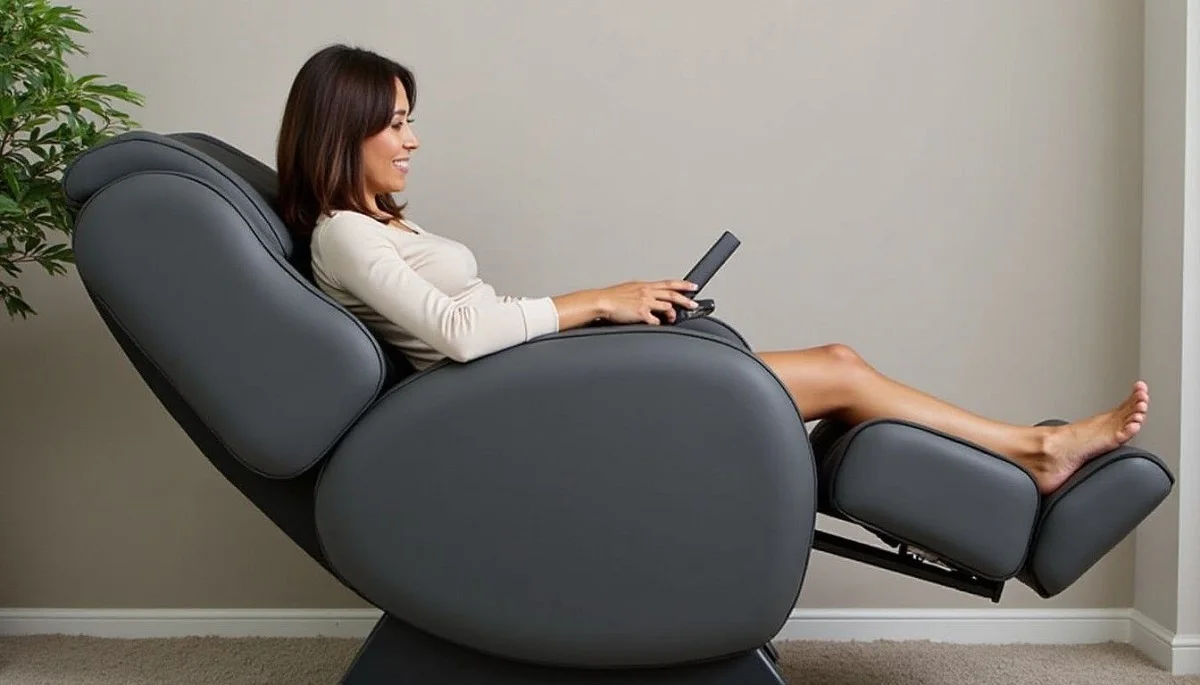
How Massage Chairs May Help With Swollen Legs
Swollen legs can feel heavy, tight, and uncomfortable. Whether it happens after a long workday, a long flight, pregnancy, or standing for hours, leg swelling — medically known as edema — is something millions of people experience.
Over the past few years, massage chairs with built-in leg and calf compression systems have gained popularity as a home wellness tool. But can they truly help reduce swollen legs? Or are they simply a luxury comfort feature?
In this article, we’ll explore the causes of leg swelling, how massage chairs work, what science suggests, and when professional care is essential.
Why Do Legs Swell?
Leg swelling occurs when excess fluid builds up in the tissues. The most common reasons include:
-
Prolonged sitting or standing
-
Poor circulation
-
Pregnancy
-
High salt intake
-
Hot weather
-
Minor injuries
-
Lymphatic congestion
In more serious cases, swelling may be related to conditions such as chronic venous insufficiency, heart disease, kidney problems, or blood clots. That’s why understanding the root cause is critical.
If swelling is sudden, painful, or accompanied by redness or shortness of breath, medical attention is necessary immediately.
For mild, lifestyle-related swelling, however, supportive therapies may help — and that’s where massage chairs come in.
How Massage Chairs Target the Legs
Modern massage chairs are no longer limited to back rollers. Many advanced models include:
-
Air compression systems around calves and feet
-
Rhythmic squeezing motion (similar to manual lymphatic massage)
-
Heat therapy for lower legs
-
Elevation or zero-gravity positioning
-
Foot rollers for reflexology-style stimulation
These features work together to encourage circulation and reduce fluid buildup.
1. Improved Blood Circulation
One of the primary reasons legs swell is reduced blood flow back to the heart. When you sit or stand for long periods, gravity causes blood to pool in the lower extremities.
Massage chairs use air compression technology to gently squeeze and release the calves. This mimics the natural pumping action of muscles when you walk.
By stimulating circulation, massage chairs may:
-
Support venous return
-
Reduce pooling of blood
-
Decrease heaviness
-
Promote oxygen delivery to tissues
Improved circulation can help the body reabsorb excess fluid more efficiently.
2. Support for Lymphatic Drainage
The lymphatic system plays a major role in fluid balance. It relies on movement and muscle contractions.
Gentle compression massage can:
-
Stimulate lymph flow
-
Encourage fluid movement
-
Reduce mild fluid retention
-
Support natural detoxification
While massage chairs are not medical lymphatic drainage devices, their rhythmic compression can provide similar mild benefits for everyday swelling.
3. Elevation and Zero-Gravity Positioning
Some chairs feature zero-gravity positioning, inspired by research from NASA on neutral body posture. This position elevates the legs slightly above heart level.
Elevation helps reduce swelling by:
-
Decreasing gravitational pressure
-
Allowing fluid to move back toward the upper body
-
Reducing pressure in lower limb veins
Combining elevation with compression enhances the overall effect.
4. Muscle Relaxation and Reduced Tightness
Tight calf muscles can contribute to poor circulation. Massage rollers and compression help relax muscle fibers, which may:
-
Reduce tension
-
Improve comfort
-
Enhance mobility
-
Decrease cramping
For people who experience swelling after workouts or long work shifts, muscle relaxation adds additional relief.
Who May Benefit Most?
Massage chairs may help individuals who experience:
-
Mild swelling from prolonged sitting
-
“Heavy legs” after travel
-
Swelling during pregnancy (with doctor approval)
-
Mild fluid retention from inactivity
-
Work-related leg fatigue
Office workers, healthcare workers, retail employees, and frequent travelers often report noticeable relief.
When Massage Chairs Are NOT Enough
It’s important to emphasize: massage chairs are supportive tools, not medical treatments.
Seek medical evaluation if swelling:
-
Appears suddenly in one leg only
-
Is accompanied by pain or warmth
-
Causes severe discomfort
-
Persists despite rest
-
Is linked to heart, kidney, or liver conditions
Conditions like deep vein thrombosis (DVT) require urgent medical care and should never be treated with massage.
If you have chronic venous insufficiency or advanced lymphedema, consult a healthcare provider before using compression massage features.
Safety Guidelines for Using a Massage Chair for Swollen Legs
To maximize safety and effectiveness:
-
Use gentle or moderate compression settings
-
Limit sessions to 15–20 minutes
-
Stay hydrated
-
Elevate legs afterward if possible
-
Avoid high heat if inflammation is present
People with blood clotting disorders, varicose veins, diabetes-related neuropathy, or vascular disease should consult a doctor before use.
What Does Research Say?
Research on professional compression therapy shows positive outcomes for reducing mild edema and improving circulation. While massage chairs are not medical-grade compression devices, they operate on similar principles.
Clinical evidence supports:
-
Intermittent pneumatic compression for venous support
-
Manual lymphatic massage for fluid reduction
-
Leg elevation for edema management
Massage chairs combine elements of all three — which explains why many users experience temporary improvement.
However, long-term results depend on addressing lifestyle factors like movement, diet, and posture.
Practical Tips to Enhance Results
For best outcomes, combine massage chair use with:
-
Daily walking
-
Stretching exercises
-
Reducing sodium intake
-
Wearing compression socks (if recommended)
-
Avoiding prolonged sitting
Massage works best as part of a broader wellness routine. People also search
Realistic Expectations
Massage chairs may:
-
Reduce mild swelling temporarily
-
Relieve heaviness
-
Improve comfort
-
Enhance relaxation
They will not:
-
Cure chronic medical conditions
-
Replace prescribed compression therapy
-
Treat serious circulatory disorders
Think of them as a daily recovery and maintenance tool — not a medical solution.
Expert Insight: A Balanced Perspective
From a wellness and rehabilitation standpoint, gentle compression combined with elevation can meaningfully support fluid balance in healthy individuals.
The key is consistency and moderation. Aggressive pressure is not necessary. Gentle, rhythmic compression often delivers the most comfortable and effective experience.
If swelling improves after massage, that’s a positive sign it may be circulation-related. If it does not improve or worsens, further medical assessment is important. Learn more

Buymassager is a certified wellness specialist and health technology reviewer with over 12 years of experience testing therapeutic devices. As someone who personally manages [relevant condition like plantar fasciitis/neuropathy], they bring both professional expertise and real-world insight to product evaluations. Their work has been featured in [Health Magazine/Wellness Blog/Medical Review Site],
0 Comments