
Can Massage Chairs Help Reduce Nerve Pressure?
Nerve pressure — often described as tingling, numbness, burning pain, or sharp shooting discomfort — can significantly affect daily life. Whether it’s caused by a herniated disc, poor posture, muscle tension, or conditions like sciatica, many people are looking for non-invasive solutions to manage symptoms. One increasingly popular option is the use of massage chairs.
But can massage chairs truly help reduce nerve pressure? Or are they simply a comfort tool with temporary relief?
In this article, we’ll explore the science, the potential benefits, the limitations, and expert considerations to help you make an informed decision.
Understanding Nerve Pressure
Nerve pressure (also known as nerve compression or pinched nerve) occurs when surrounding tissues — such as muscles, tendons, bones, or discs — apply excessive pressure on a nerve. This can disrupt nerve function and lead to symptoms like:
-
Tingling or “pins and needles”
-
Burning pain
-
Muscle weakness
-
Radiating discomfort (e.g., down the leg in sciatica)
-
Numbness
Common causes include herniated discs, spinal misalignment, muscle tightness, repetitive strain, and poor posture.
In many cases, nerve pressure isn’t caused directly by the nerve itself — but by tight muscles and structural imbalances surrounding it. That’s where massage therapy may play a supportive role.
How Massage Chairs Work
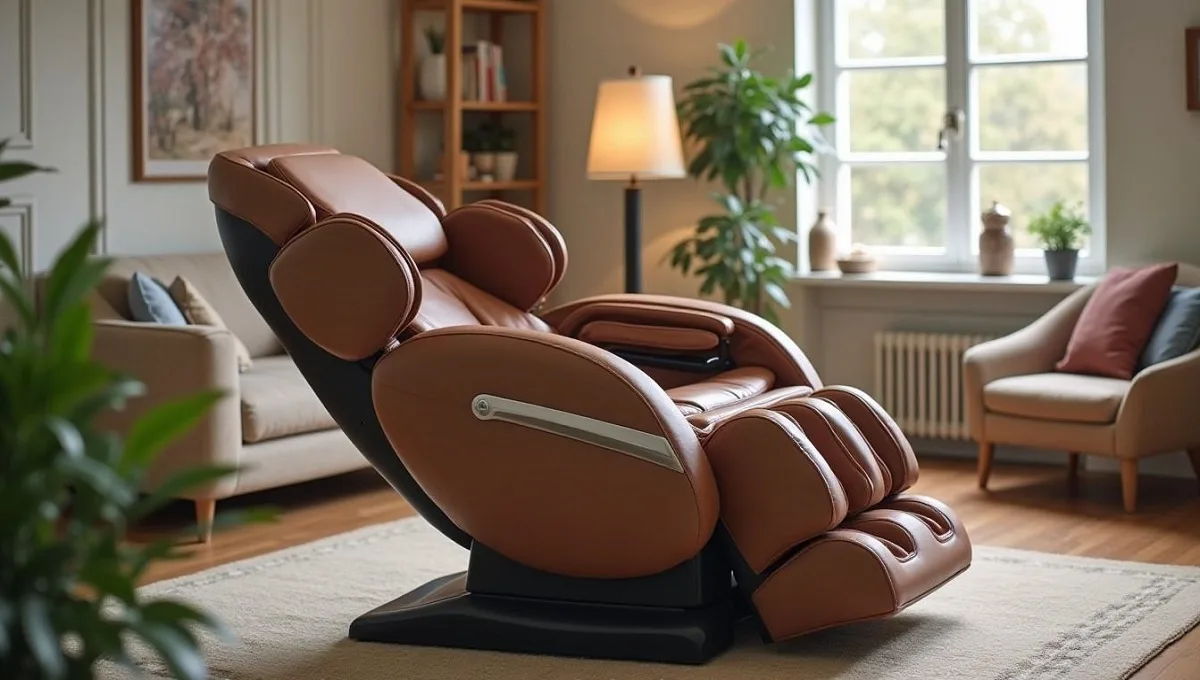
Modern massage chairs use a combination of mechanical rollers, airbags, vibration systems, and heat therapy to simulate professional massage techniques such as kneading, tapping, rolling, and shiatsu.
Advanced models also offer:
-
Zero-gravity positioning (to reduce spinal compression)
-
Lumbar heating
-
Body scanning technology
-
Stretch programs
-
Air compression for shoulders, hips, and legs
These features aim to reduce muscle tension, improve circulation, and promote relaxation — all factors that can influence nerve-related discomfort.
Can Massage Chairs Reduce Nerve Pressure?
1. Indirect Relief Through Muscle Relaxation
One of the most common causes of nerve pressure is muscle tightness. When muscles become tense or inflamed, they can compress nearby nerves. Massage chairs help by:
-
Loosening tight muscle fibers
-
Increasing blood flow
-
Reducing inflammation in surrounding tissue
-
Improving oxygen delivery to affected areas
By relaxing these muscles, pressure on the nerve may decrease — potentially reducing symptoms.
For example, in cases of mild sciatica caused by piriformis muscle tightness, massage can ease muscle tension and reduce irritation around the sciatic nerve.
2. Spinal Decompression via Zero Gravity
Some high-end massage chairs offer zero-gravity positioning, inspired by NASA’s neutral body posture research. This position reclines the body in a way that distributes weight evenly and reduces spinal load.
Reduced spinal compression may temporarily decrease pressure on spinal discs — potentially relieving nerve irritation in the lower back.
However, this is supportive relief — not a structural correction.
3. Improved Circulation and Healing
Massage increases local circulation. Better blood flow means:
-
Faster removal of metabolic waste
-
Reduced inflammation
-
Enhanced nutrient delivery
-
Improved tissue recovery
For individuals experiencing nerve discomfort due to inflammation, improved circulation may support healing and symptom management.
What Massage Chairs Cannot Do
While massage chairs can provide meaningful relief, it’s important to set realistic expectations.
Massage chairs cannot:
-
Fix a herniated disc
-
Correct severe spinal misalignment
-
Cure chronic neuropathy
-
Replace medical treatment for severe nerve compression
If nerve pressure is caused by structural issues (like advanced disc degeneration), medical evaluation is necessary.
Massage chairs are best viewed as a complementary therapy — not a cure.
Who May Benefit Most?
Massage chairs may be helpful for:
-
Individuals with mild to moderate muscle-related nerve irritation
-
People with posture-related nerve discomfort
-
Office workers with neck and shoulder tension
-
Those with stress-induced muscle tightness
-
Early-stage sciatica caused by muscular compression
However, individuals with severe spinal conditions, advanced neuropathy, recent surgery, or acute inflammation should consult a healthcare professional before use.
Safety Considerations
Using a massage chair incorrectly can worsen symptoms in some cases.
Important tips:
-
Start with low intensity
-
Avoid prolonged sessions (15–20 minutes is usually sufficient)
-
Do not apply strong pressure directly over inflamed areas
-
Stop immediately if pain increases
-
Consult a doctor if you experience worsening numbness or weakness
People with osteoporosis, spinal fractures, blood clotting disorders, or implanted medical devices should seek medical advice before use.
What Does Research Suggest?
While research specifically on massage chairs is limited, studies on massage therapy show promising results for:
-
Reducing lower back pain
-
Improving nerve mobility
-
Decreasing muscle tension
-
Enhancing overall quality of life
Massage therapy is often recommended as part of conservative treatment plans for musculoskeletal-related nerve pain.
Because massage chairs mimic manual massage techniques, similar benefits may apply — particularly for muscle-related nerve compression.
Realistic Expectations: Short-Term vs Long-Term Relief
Massage chairs typically provide:
-
Immediate relaxation
-
Temporary pain reduction
-
Improved mobility after sessions
Long-term improvement depends on addressing the root cause of nerve pressure. This may include:
-
Postural correction
-
Strengthening exercises
-
Weight management
-
Ergonomic adjustments
-
Physical therapy
Massage works best when combined with these strategies. People also search
Expert Perspective: Integrating Massage Chairs Into a Recovery Plan
From a rehabilitation standpoint, massage chairs can serve as:
-
A supportive pain-management tool
-
A recovery aid after physical therapy sessions
-
A muscle-maintenance solution for chronic tension
-
A stress-reduction strategy
Stress plays a significant role in muscle tightness. By promoting relaxation, massage chairs may indirectly reduce stress-induced nerve irritation.
Consistency matters more than intensity. Gentle, regular sessions are more effective than aggressive, infrequent use. Learn more

Buymassager is a certified wellness specialist and health technology reviewer with over 12 years of experience testing therapeutic devices. As someone who personally manages [relevant condition like plantar fasciitis/neuropathy], they bring both professional expertise and real-world insight to product evaluations. Their work has been featured in [Health Magazine/Wellness Blog/Medical Review Site],
0 Comments