
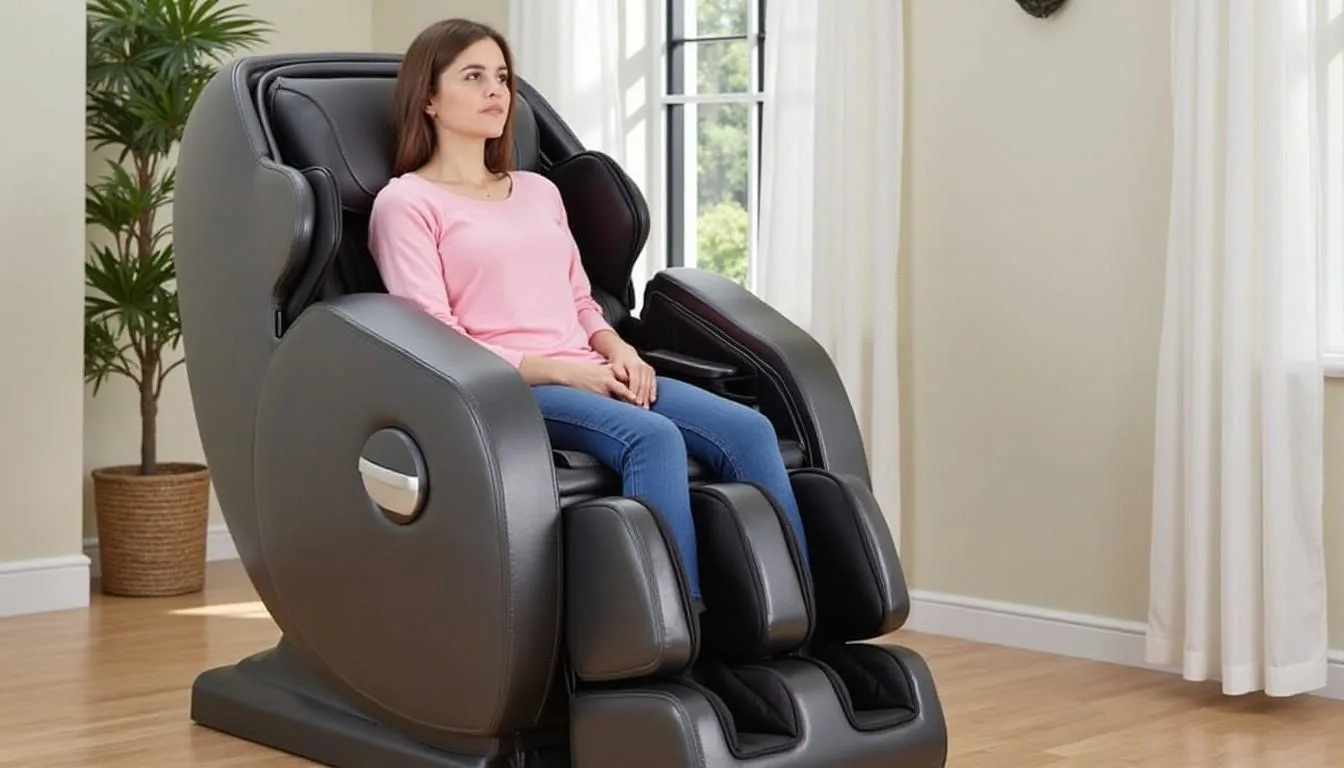
Can Massage Chairs Help Reduce Daily Body Aches?
Daily body aches have become increasingly common in modern life. Whether caused by long hours at a desk, physically demanding jobs, repetitive movements, stress, or limited physical activity, persistent muscle discomfort can affect energy levels, productivity, and overall quality of life. As more people look for convenient at-home wellness solutions, massage chairs are often marketed as a practical way to relieve everyday tension. But can massage chairs genuinely help reduce daily body aches? A balanced, evidence-informed look at how body aches develop—and how massage chairs function—can help clarify their potential benefits and limitations.
Understanding the Causes of Daily Body Aches
Not all body aches are the same. Daily aches are typically mild to moderate discomfort caused by muscle tension, stiffness, or fatigue rather than acute injury. Common contributors include:
-
Prolonged sitting with poor posture
-
Repetitive physical tasks
-
Stress-related muscle tightness
-
Lack of stretching or strength training
-
Insufficient sleep and recovery
When muscles remain in shortened or strained positions for extended periods, they can develop tightness and reduced flexibility. Over time, this tension may create a cycle where discomfort discourages movement, and limited movement worsens stiffness.
It’s important to distinguish everyday aches from symptoms such as sharp pain, swelling, numbness, tingling, or radiating discomfort. Those signs may indicate underlying medical conditions and should be evaluated by a qualified healthcare professional.
How Massage Chairs Are Designed to Work
Modern massage chairs use mechanical systems to simulate common massage techniques. These often include:
-
Kneading and rolling along the spine
-
Tapping or percussion movements
-
Airbag compression for arms and legs
-
Shiatsu-style pressure
-
Built-in heat therapy
-
Reclining or assisted stretching programs
Many advanced models use body-scanning technology to adjust roller positioning based on height and spinal curvature. While these features can mimic certain aspects of manual massage, they cannot assess muscle imbalances or medical conditions the way a licensed therapist can.
The primary goal of a massage chair is to stimulate soft tissue—muscles, fascia, and connective tissue—through controlled pressure and movement. This mechanical stimulation may influence circulation, muscle tone, and nervous system responses.
Potential Ways Massage Chairs May Reduce Daily Aches
Muscle Relaxation Through Nervous System Response
Muscle tension is often influenced by stress and nervous system activity. When the body is under stress, muscles may remain in a low-level contracted state, especially in the neck, shoulders, and lower back.
Massage chair movements stimulate sensory receptors in the skin and muscles. Research on massage therapy suggests that this stimulation can activate the parasympathetic nervous system—the body’s “rest and recover” mode. As relaxation increases, muscle guarding may decrease, which can temporarily reduce stiffness and discomfort.
For individuals whose daily aches are linked to stress or prolonged tension, this relaxation effect may offer noticeable short-term relief.
Improved Circulation and Warmth
Gentle compression and rolling motions may increase local blood flow to targeted areas. Circulation plays a role in delivering oxygen and nutrients to muscle tissue while supporting normal metabolic processes.
Heat therapy, commonly included in massage chairs, may enhance comfort by increasing tissue elasticity and promoting relaxation. In physical therapy settings, heat is frequently used to reduce stiffness before movement or stretching.
It’s important to maintain realistic expectations: massage chairs do not “flush out toxins” in a dramatic or medically proven way. However, improved blood flow and warmth may reduce the sensation of tightness.
Reduced Perception of Discomfort
Pain science shows that the brain interprets multiple signals when processing discomfort. Mechanical stimulation—such as massage—can activate pressure receptors that compete with pain signals. This may temporarily reduce the perception of daily aches.
In simple terms, the sensation created by massage rollers and compression may help “override” mild discomfort signals, leading to a greater sense of relief. While this does not correct the underlying cause of muscle tension, it may improve short-term comfort.
Encouraging Consistent Recovery Habits
One advantage of massage chairs is accessibility. Professional massage therapy can be beneficial, but regular appointments may not be practical for everyone. A massage chair provides on-demand sessions at home, which may increase consistency.
Short sessions—typically 15 to 20 minutes—can be integrated into evening routines alongside stretching, hydration, and relaxation practices. When used moderately, massage chairs may help maintain muscle comfort over time.
Important Limitations to Consider
While massage chairs may help with mild daily aches, they are not a comprehensive solution for long-term musculoskeletal health.
They Do Not Correct Postural Problems
If daily aches stem from poor workstation ergonomics, forward head posture, or prolonged sitting, the most effective solution often involves correcting the root cause. Ergonomic adjustments, standing breaks, and strength training for postural muscles typically provide more lasting improvement than passive massage alone.
They Cannot Diagnose or Treat Medical Conditions
Persistent pain may result from joint dysfunction, nerve compression, inflammatory conditions, or structural imbalances. Massage chairs cannot diagnose these issues.
Individuals experiencing chronic or worsening pain should consult a licensed healthcare provider before relying on mechanical massage devices.
Overuse Can Increase Sensitivity
Using high-intensity settings for extended sessions may irritate already sensitive tissues. Most manufacturers recommend limiting sessions to 15–30 minutes and starting at moderate pressure levels.
Responsible use is especially important for individuals with osteoporosis, circulatory disorders, recent surgeries, or pregnancy. Medical guidance is advised in these cases.
Who May Benefit Most?
Massage chairs may be helpful for individuals who experience:
-
Generalized muscle tension after desk work
-
Mild lower back stiffness
-
Neck and shoulder tightness from stress
-
Leg fatigue from prolonged standing
-
Occasional non-injury-related body aches
For these users, massage chairs can offer convenient, short-term relief and relaxation. people also search
However, people seeking corrective treatment for chronic pain conditions, sports injuries, or structural dysfunction may require personalized therapy and active rehabilitation strategies.
Integrating Massage Chairs into a Broader Wellness Plan
Evidence consistently supports active approaches to musculoskeletal health, including:
-
Regular resistance training
-
Mobility and stretching exercises
-
Frequent movement breaks during sedentary work
-
Proper hydration and balanced nutrition
-
Adequate sleep
-
Stress management practices
Massage chairs can complement these habits but should not replace them. Active engagement in movement and strength development remains central to long-term physical resilience learn more

Buymassager is a certified wellness specialist and health technology reviewer with over 12 years of experience testing therapeutic devices. As someone who personally manages [relevant condition like plantar fasciitis/neuropathy], they bring both professional expertise and real-world insight to product evaluations. Their work has been featured in [Health Magazine/Wellness Blog/Medical Review Site],
0 Comments