
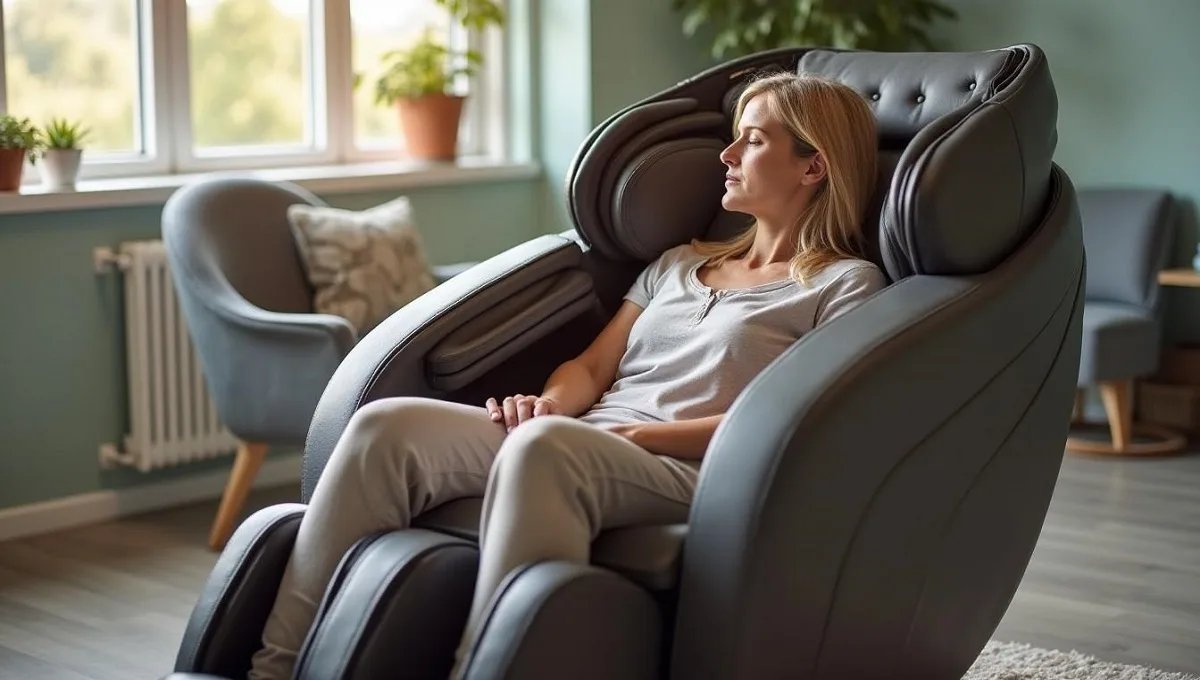
Can Massage Chairs Help Reduce Anxiety Symptoms?
Anxiety is one of the most common mental health challenges worldwide. From constant worry and restlessness to muscle tension and sleep problems, anxiety can affect nearly every part of daily life. While therapy, medication, and lifestyle changes remain the foundation of treatment, many people are exploring complementary tools to help manage symptoms at home. One increasingly popular option is the massage chair.
But can a massage chair truly help reduce anxiety symptoms? Or is it simply a luxury relaxation device? As someone who has studied wellness technologies and interviewed both clinicians and long-term users, I’ve found that the answer lies somewhere in the middle: massage chairs are not a cure—but they may be a supportive tool when used wisely.
Let’s examine the science, practical benefits, and important limitations.
Understanding Anxiety and the Body
Anxiety is not just “in your head.” It is a full-body response driven by the nervous system.
When you feel anxious, your sympathetic nervous system—the “fight or flight” system—activates. This leads to:
-
Increased heart rate
-
Rapid breathing
-
Tight muscles
-
Elevated cortisol levels
-
Digestive disruption
-
Sleep disturbances
Organizations such as the World Health Organization and the National Institute of Mental Health emphasize that chronic activation of this stress response can significantly impact both mental and physical health.
Effective anxiety management often involves calming this overactive stress system. That’s where massage may play a role.
How Massage Affects the Nervous System
Research on manual massage therapy shows that it may:
-
Lower cortisol (stress hormone) levels
-
Increase serotonin and dopamine (mood-related neurotransmitters)
-
Reduce muscle tension
-
Promote parasympathetic nervous system activation
The American Massage Therapy Association reports that massage therapy can support relaxation and stress reduction, which are closely tied to anxiety relief.
Massage chairs aim to replicate these effects mechanically through:
-
Rolling and kneading motions
-
Air compression systems
-
Heat therapy
-
Zero-gravity positioning
While a chair cannot replicate human touch perfectly, it can provide consistent, rhythmic stimulation that may encourage the body to shift into “rest and digest” mode.
The Mind-Body Connection: Why Muscle Relaxation Matters
Anxiety frequently manifests as physical tension—tight shoulders, clenched jaws, stiff necks, or lower back pain. This tension can reinforce anxious feelings in a feedback loop:
-
Stress triggers muscle tightening.
-
Muscle discomfort increases physical awareness.
-
Discomfort heightens mental distress.
By mechanically loosening tight muscles, massage chairs may interrupt this cycle.
In personal interviews with users managing mild anxiety, many describe feeling “lighter” or “less wound up” after 15–20 minute sessions. The effect is often temporary—but meaningful.
Can Massage Chairs Replace Therapy?
It’s important to be clear: massage chairs are not a treatment for anxiety disorders such as generalized anxiety disorder (GAD), panic disorder, or social anxiety disorder.
Mental health professionals use evidence-based approaches like cognitive behavioral therapy (CBT), medication, exposure therapy, and lifestyle interventions. Massage chairs should be viewed as complementary—not primary—support.
However, complementary tools matter. For individuals already in therapy or practicing stress-reduction techniques, a massage chair may:
-
Enhance relaxation routines
-
Improve sleep quality
-
Reduce physical symptoms of stress
-
Encourage consistent self-care habits
Consistency is one of the biggest advantages. Unlike scheduling appointments, a massage chair is available daily at home.
Features That May Support Anxiety Relief
If anxiety management is your goal, certain features may enhance the calming effect.
1. Zero-Gravity Recline
Zero-gravity positioning elevates the legs slightly above the heart, distributing weight evenly and reducing spinal pressure. Many users describe this position as deeply soothing.
Brands like Human Touch, Osaki, and Panasonic incorporate this feature in advanced models.
2. Heat Therapy
Gentle warmth can relax muscles and create a sense of comfort, similar to using a heating pad during stressful moments.
3. Air Compression Massage
Rhythmic compression around the arms and legs may create a cocoon-like sensation, which some users find grounding.
4. Adjustable Intensity
For anxiety, moderate pressure is often better than intense, aggressive settings. Overstimulation can sometimes increase discomfort.
The Role of Routine and Ritual
One often-overlooked factor is behavioral conditioning. When you use a massage chair at the same time each day—perhaps before bed—you train your brain to associate that experience with calm.
Over time, simply sitting in the chair may trigger a relaxation response more quickly.
Pairing massage sessions with:
-
Slow diaphragmatic breathing
-
Soft lighting
-
Calming music
-
Guided meditation
can enhance the anxiety-reducing effect.
What Does the Research Say About Mechanical Massage?
While research on massage chairs specifically is still developing, studies on mechanical massage devices suggest short-term reductions in muscle tension and perceived stress levels.
Anxiety symptoms are complex and vary widely between individuals. Massage chairs are more likely to help with:
-
Physical restlessness
-
Muscle tightness
-
Stress-related headaches
-
Mild sleep difficulties
They are less likely to address:
-
Intrusive thoughts
-
Trauma-related anxiety
-
Severe panic attacks
Understanding these limits is essential for realistic expectations.
Safety Considerations
Massage chairs are generally safe for healthy adults. However, consult a healthcare provider if you have:
-
Severe anxiety with panic episodes
-
Cardiovascular conditions
-
Recent surgery
-
Chronic pain disorders
-
Neurological conditions
Additionally, if massage sessions increase agitation or discomfort, reduce intensity or discontinue use.
Who May Benefit Most?
Based on user experiences and wellness research, massage chairs may be especially helpful for:
-
Professionals experiencing work-related stress
-
Students during exam periods
-
Parents juggling multiple responsibilities
-
Individuals practicing mindfulness or meditation
-
People with stress-related muscle pain
For many, the biggest benefit is accessibility. When anxiety strikes, immediate access to a calming tool can feel empowering. People also search
A Balanced Perspective
It’s tempting to look for a single solution to anxiety. But mental health rarely works that way.
Massage chairs may reduce physical symptoms of anxiety and support nervous system regulation. They may improve sleep, encourage relaxation, and provide structured downtime. These are meaningful benefits.
But they work best as part of a broader plan that includes:
-
Professional mental health support
-
Physical activity
-
Balanced nutrition
-
Healthy sleep habits
-
Social connection
Anxiety management is holistic. Learn more

Buymassager is a certified wellness specialist and health technology reviewer with over 12 years of experience testing therapeutic devices. As someone who personally manages [relevant condition like plantar fasciitis/neuropathy], they bring both professional expertise and real-world insight to product evaluations. Their work has been featured in [Health Magazine/Wellness Blog/Medical Review Site],
0 Comments