
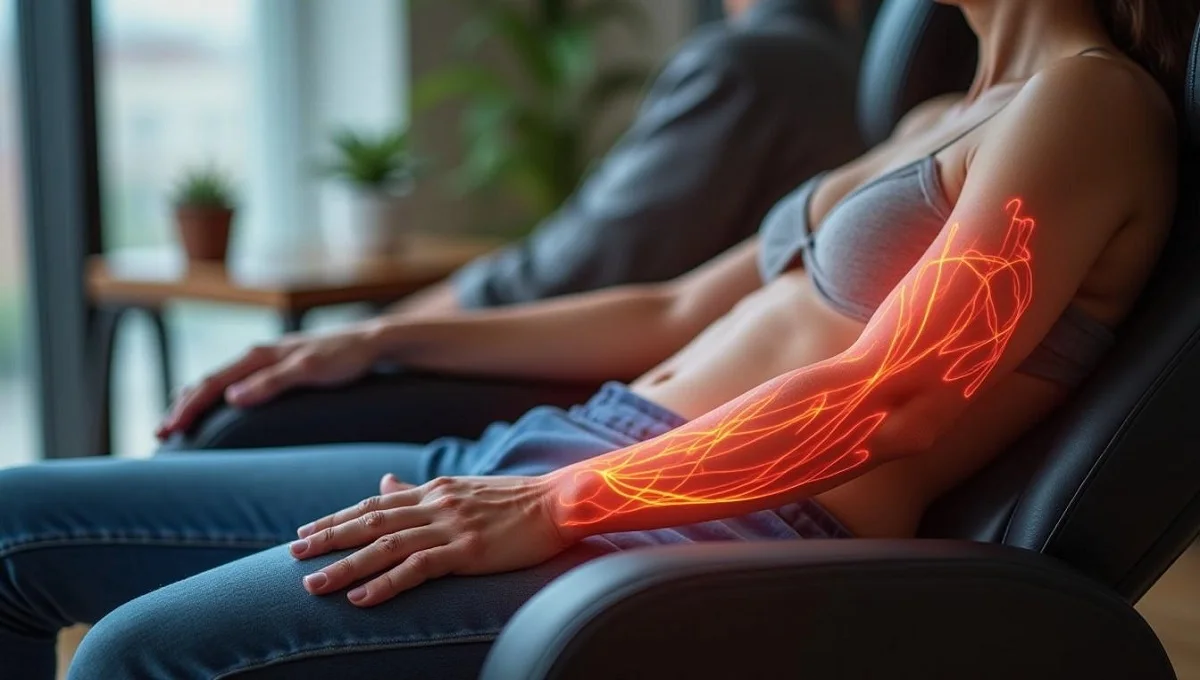
Massage Chairs and Their Role in Blood Flow Support
In today’s fast-paced world, long hours at desks, constant screen time, and limited physical activity have become the norm. While technology has made life easier, it has also increased issues like muscle stiffness, poor posture, and sluggish circulation. As a wellness writer who has spent years researching recovery tools and interviewing physical therapists, I’ve seen a growing interest in massage chairs—not just for comfort, but for their potential role in supporting blood flow.
But can a massage chair truly make a difference? Let’s explore what science says, how these chairs work, and who can benefit most.
Understanding Blood Flow and Why It Matters
Healthy blood circulation is essential for delivering oxygen and nutrients to tissues while removing metabolic waste products. When circulation is optimal, you may feel energized, recover faster from workouts, and experience fewer aches and pains.
On the other hand, reduced blood flow can contribute to:
-
Muscle stiffness
-
Swelling in the legs and feet
-
Fatigue
-
Slower recovery after physical activity
Sedentary lifestyles are a major contributor. Sitting for prolonged periods can compress blood vessels and limit muscle movement, which normally helps pump blood back toward the heart.
This is where massage chairs enter the conversation.
How Massage Chairs Work
Modern massage chairs use a combination of rollers, airbags, heat therapy, and programmed techniques designed to mimic hands-on massage. High-end models incorporate body scanning technology to tailor the massage to your height and spinal curve.
Brands like Osaki, Human Touch, and Panasonic have invested heavily in developing systems that simulate common massage styles such as kneading, tapping, rolling, and shiatsu-inspired movements.
These mechanical movements apply rhythmic pressure to muscles and soft tissues. That pressure is the key to understanding how massage chairs may influence circulation.
The Science Behind Massage and Circulation
Manual massage therapy has been studied for decades. Research published in journals such as the American Massage Therapy Association suggests that massage can temporarily increase local blood flow in treated areas. The mechanism is fairly straightforward:
-
Mechanical Compression: Pressure applied to muscles compresses blood vessels.
-
Release Phase: When pressure is released, blood rushes back into the area.
-
Vasodilation: Massage may encourage blood vessels to widen, enhancing flow.
Massage chairs aim to replicate this compression-and-release cycle. While a chair cannot fully replace a skilled therapist’s touch, the repeated mechanical action can stimulate soft tissues in a similar way.
Some small clinical studies on mechanical massage devices show short-term increases in peripheral circulation and muscle temperature, both indicators of improved blood flow. However, it’s important to note that massage chairs support circulation—they are not medical treatments for vascular disease.
Key Features That Support Blood Flow
Not all massage chairs are created equal. If circulation support is your goal, consider features that specifically target vascular stimulation:
1. Air Compression Technology
Airbags inflate and deflate around the arms, legs, and calves. This mimics compression therapy, which is often used in clinical settings to help promote venous return (the flow of blood back to the heart).
2. Heat Therapy
Gentle heat applied to the lower back or legs helps relax muscles and may promote vasodilation, allowing blood vessels to widen. Warmer tissues are generally more pliable and responsive to massage.
3. Zero-Gravity Positioning
Inspired by NASA’s neutral body posture research, zero-gravity positioning elevates the legs slightly above the heart. This position may reduce gravitational strain on the circulatory system and support venous return.
4. Foot Rollers and Calf Massage
For people who experience swelling in their feet or ankles after long days of standing, targeted lower-leg massage can be particularly beneficial.
Who May Benefit Most?
From my interviews with wellness professionals and everyday users, several groups commonly report positive experiences:
Office Workers
Long hours of sitting can slow circulation in the lower body. A 15–20 minute massage session after work may help counteract some of that stagnation.
Athletes and Fitness Enthusiasts
After intense workouts, improved blood flow may assist in delivering nutrients to recovering muscles. Many athletes use massage chairs as part of a broader recovery routine that includes hydration and stretching.
Older Adults
As we age, circulation can naturally become less efficient. While massage chairs are not a substitute for medical care, gentle daily sessions may support comfort and mobility.
Real-World Experience: What Users Say
In consumer reviews and personal accounts, many users describe:
-
A warming sensation in treated areas
-
Reduced leg heaviness
-
Temporary relief from muscle tightness
-
Improved relaxation and sleep quality
These subjective experiences align with what we know about the physiological effects of massage: reduced muscle tension often allows blood vessels to function more efficiently.
However, it’s important to maintain realistic expectations. Benefits are typically short-term and best achieved with consistent use.
Important Safety Considerations
Massage chairs are generally safe for healthy individuals, but they are not appropriate for everyone.
You should consult a healthcare professional before using a massage chair if you have:
-
Deep vein thrombosis (DVT)
-
Severe varicose veins
-
Uncontrolled hypertension
-
Recent surgery
-
Advanced cardiovascular disease
People with implanted medical devices should also seek medical advice. Safety always comes first.
Massage Chairs vs. Professional Massage
A common question is whether a massage chair can replace hands-on therapy.
Professional massage therapists can assess tissue quality, adapt pressure in real time, and address specific medical concerns. A massage chair, while convenient, follows programmed patterns.
That said, the biggest advantage of massage chairs is accessibility. You can use them daily, at home, without scheduling appointments. For many people, this consistency may contribute to ongoing circulation support and stress management. People also search
Tips for Maximizing Circulation Benefits
If you decide to incorporate a massage chair into your routine, consider these best practices:
-
Stay Hydrated: Water supports healthy circulation and tissue recovery.
-
Use Moderate Settings: Excessive pressure isn’t always better.
-
Combine with Movement: Gentle stretching or walking after a session enhances overall circulation.
-
Be Consistent: Short daily sessions may be more effective than occasional long ones.
-
Listen to Your Body: Discomfort or pain is a sign to stop.
The Bigger Picture: Lifestyle Still Matters
Massage chairs can be a supportive wellness tool, but they work best as part of a broader strategy that includes:
-
Regular physical activity
-
Balanced nutrition
-
Adequate sleep
-
Stress management
No device can replace movement. Even the most advanced chair cannot substitute for walking, strength training, or cardiovascular exercise. Learn more

Buymassager is a certified wellness specialist and health technology reviewer with over 12 years of experience testing therapeutic devices. As someone who personally manages [relevant condition like plantar fasciitis/neuropathy], they bring both professional expertise and real-world insight to product evaluations. Their work has been featured in [Health Magazine/Wellness Blog/Medical Review Site],
0 Comments