
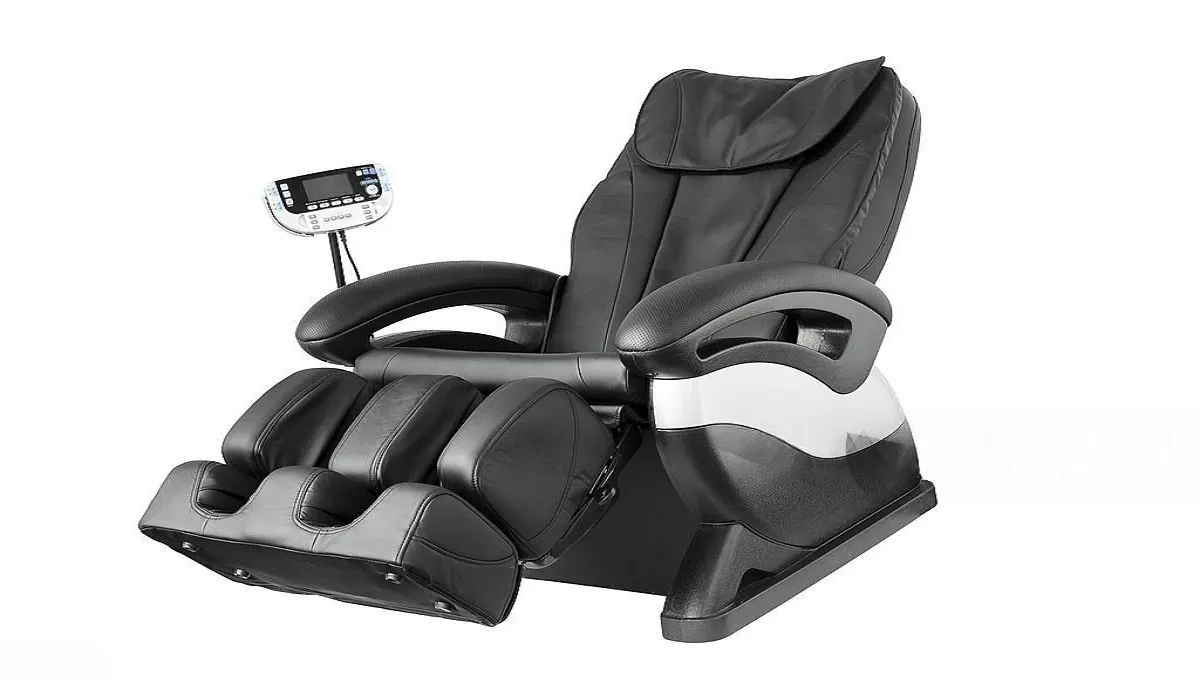
Massage Chairs With Hidden Problems
Massage chairs are often marketed as the ultimate solution for stress relief, muscle recovery, and everyday relaxation. With promises of “zero gravity,” “AI body scanning,” and “deep tissue therapy,” they appear to offer spa-like benefits at home.
But beneath the sleek design and high-tech features, many massage chairs come with hidden problems that buyers only discover after spending thousands of dollars.
If you’re considering purchasing one, this in-depth guide will help you make an informed decision based on real-world concerns, consumer experiences, and practical health considerations.
1. The Real Cost Goes Beyond the Price Tag
At first glance, the biggest concern is the upfront cost. Most mid-range massage chairs start around $1,500, while premium models can exceed $8,000.
However, the hidden financial issues include:
-
Expensive extended warranties
-
Costly out-of-warranty repairs
-
Replacement parts that are hard to source
-
Delivery and installation fees
Unlike simple furniture, massage chairs contain motors, air pumps, circuit boards, and complex roller systems. When one component fails, repairs can be both expensive and inconvenient.
Many owners report that once major electrical components malfunction, repair costs can approach half the price of the chair itself.
2. Mechanical Limitations That Affect Results
Massage chairs rely on programmed movement patterns. Even advanced models with body scanning technology cannot truly assess muscle tension, inflammation, or injury.
Hidden issue: the rollers often follow fixed tracks.
If your pain doesn’t align perfectly with the chair’s mechanical path, the relief may be inconsistent or superficial.
A trained massage therapist adjusts pressure and technique in real time. A machine cannot respond to verbal feedback or subtle body cues.
This limitation becomes especially noticeable for people with:
-
Chronic lower back pain
-
Sciatica
-
Shoulder injuries
-
Uneven posture
The result? Temporary relaxation rather than meaningful therapeutic relief.
3. Poor Ergonomic Fit for Many Body Types
Massage chairs are designed around average body measurements. But not everyone fits that template.
Common complaints include:
-
Rollers pressing too high or too low
-
Neck massage hitting the skull instead of muscles
-
Calf massagers feeling too tight
-
Short footrests for taller individuals
If alignment is off, the massage can feel uncomfortable rather than relaxing.
Even chairs that advertise “auto body scanning” may struggle with people who are significantly taller, shorter, or broader than average.
4. Overstated Marketing Claims
Many massage chairs advertise features like:
-
“Medical-grade therapy”
-
“Chiropractic-level adjustment”
-
“Clinically proven relief”
In reality, most of these claims are marketing language rather than verified medical endorsements.
While massage can support relaxation and temporary muscle relief, massage chairs are not medical devices unless specifically approved for therapeutic use.
It’s important to read the fine print. Many manufacturers include disclaimers stating the chair is not intended to diagnose, treat, or cure medical conditions.
5. Noise and Electrical Issues
Another hidden issue is operational noise.
Although showroom models may seem quiet, long-term use can lead to:
-
Louder motor sounds
-
Clicking or grinding rollers
-
Airbag pump noise
For people seeking a calm, spa-like experience, mechanical noise can reduce relaxation.
Additionally, massage chairs draw a significant amount of power during operation. Some models require dedicated outlets or may trip circuits in older homes.
6. Durability Concerns
Massage chairs contain dozens of moving parts. With regular use, wear and tear is inevitable.
Common durability issues include:
-
Airbags losing pressure
-
Rollers wearing down
-
Upholstery cracking or peeling
-
Heating elements failing
While premium brands may last 7–10 years with proper care, many mid-range models begin experiencing performance decline much sooner.
Unlike couches or recliners, they are not simple to refurbish.
7. Health Risks That Aren’t Always Highlighted
Massage chairs are not suitable for everyone.
People with the following conditions should consult a healthcare provider before use:
-
Severe osteoporosis
-
Herniated discs
-
Blood clotting disorders
-
Pacemakers
-
Recent surgeries
Overuse or excessive pressure settings may cause bruising or muscle soreness.
Because massage chairs lack professional assessment, users may unknowingly aggravate underlying conditions.
8. Space and Lifestyle Limitations
Massage chairs are large. Even space-saving designs require significant room clearance for reclining.
Hidden challenges include:
-
Difficulty moving them between rooms
-
Limited compatibility with apartment living
-
Aesthetic mismatch with home décor
Many buyers underestimate how much permanent space they must dedicate to the chair.
Over time, it can become an underused centerpiece rather than an essential wellness tool.
9. The “Novelty Effect”
Behavioral studies show that luxury comfort products often experience heavy use in the first few weeks, followed by gradual decline.
Many owners admit:
-
Daily use for the first month
-
Weekly use after three months
-
Rare use after six months
Without structured integration into a health routine, the chair becomes an occasional indulgence rather than a core wellness investment. people also search
10. Better Alternatives Often Provide Greater Value
If your goal is pain relief, stress management, or muscle recovery, consider alternatives that may provide better long-term results:
-
Regular professional massage therapy
-
Physical therapy sessions
-
Ergonomic office chairs
-
Stretching programs
-
Foam rollers and handheld massagers
-
Yoga or mobility training
For the price of one high-end massage chair, you could invest in personalized care and long-term health strategies.
When a Massage Chair Might Make Sense
To provide balanced perspective, massage chairs can be valuable if:
-
You have limited access to professional therapists
-
You have mobility challenges
-
Multiple family members will use it daily
-
You’ve tested the exact model extensively
The key is realistic expectations.
Massage chairs are relaxation tools — not medical solutions. Learn more

Buymassager is a certified wellness specialist and health technology reviewer with over 12 years of experience testing therapeutic devices. As someone who personally manages [relevant condition like plantar fasciitis/neuropathy], they bring both professional expertise and real-world insight to product evaluations. Their work has been featured in [Health Magazine/Wellness Blog/Medical Review Site],
0 Comments