
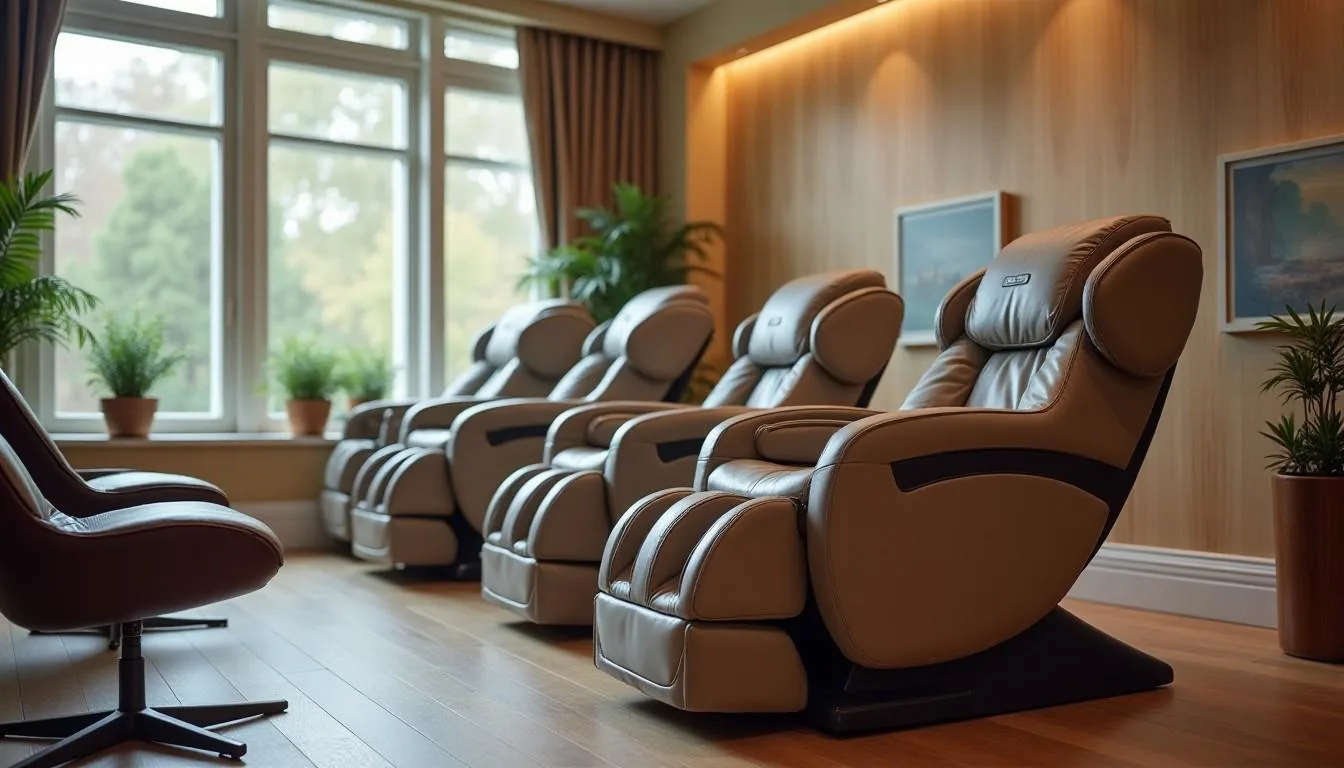
The Downside of Massage Chairs
Massage chairs have become a symbol of modern comfort. With advanced rollers, air compression systems, zero-gravity recline, and built-in heat, they promise spa-like relaxation at home. For busy professionals, athletes, and older adults, the idea of daily massages without appointments is appealing.
But while massage chairs offer convenience and short-term relief, they also come with significant downsides that many buyers only discover after purchase. Understanding these limitations can help you make a smarter decision about your health and investment.
Below, we explore the real drawbacks of massage chairs—from mechanical limitations to safety concerns—and why they don’t fully replace professional care.
Limited Personalization for Unique Bodies
No two bodies are the same. People differ in height, spinal curvature, shoulder width, muscle density, injury history, and pain sensitivity.
Massage chairs are designed to accommodate a general range of body types. Even models with body-scanning technology only measure basic parameters like shoulder height and back length. They cannot assess muscle tightness, inflammation, nerve sensitivity, or asymmetrical tension patterns.
This often leads to common complaints such as:
-
Rollers pressing too high or too low
-
Pressure landing on bone instead of muscle
-
Discomfort in the lower back
-
Inconsistent intensity between sessions
A licensed massage therapist adjusts hand placement, depth, and technique based on real-time feedback. A machine follows a programmed path.
For individuals with chronic pain or posture-related issues, this difference matters.
Mechanical Pressure Can Feel Unnatural
Massage chairs use rotating rollers and airbags to simulate techniques such as kneading, tapping, and compression. While impressive in engineering, these movements can feel repetitive and mechanical.
Human hands adapt instantly. If a muscle resists, a therapist softens the pressure. If a knot requires deeper work, they adjust angle and depth. That responsiveness reduces the risk of irritation.
Massage chairs, however, continue their programmed routine regardless of how your body responds.
For some users, this results in:
-
Muscle soreness after sessions
-
Increased sensitivity in certain areas
-
A feeling of “pushing” rather than releasing tension
In sensitive individuals, especially those with fibromyalgia or nerve-related pain, the fixed intensity can cause discomfort rather than relief.
Not Ideal for Targeted Therapy
Massage chairs are effective for general back stimulation. However, when it comes to specific therapeutic needs, they have limitations.
Techniques like Deep tissue massage or Trigger point therapy require precise pressure applied at exact angles for sustained periods. Therapists often combine these methods with stretching and movement to address root tension.
Massage chairs cannot:
-
Isolate small muscle knots accurately
-
Apply varied directional pressure
-
Integrate stretching into treatment
-
Evaluate how tissues respond over time
For someone recovering from injury or dealing with chronic neck and hip tightness, precision makes a difference.
They Don’t Address Root Causes
Muscle tension is rarely random. It often develops from:
-
Poor workstation ergonomics
-
Forward head posture
-
Weak core muscles
-
Stress-related muscle guarding
-
Repetitive strain
Massage chairs provide passive stimulation. They do not assess posture, suggest strengthening exercises, or educate users on movement patterns.
In contrast, hands-on professionals may recommend corrective exercises or lifestyle adjustments that prevent recurring tension.
Without addressing the cause, relief becomes temporary.
Overuse and Safety Risks
Because massage chairs are accessible at home, overuse is common. Some users assume longer sessions produce better results.
However, excessive use—especially at high intensity—can lead to:
-
Muscle bruising
-
Inflammation
-
Spinal irritation
-
Nerve sensitivity
Manufacturers typically recommend sessions lasting 15 to 20 minutes. Exceeding these guidelines may stress tissues rather than relax them.
Additionally, massage chairs are not suitable for everyone. Individuals with severe osteoporosis, blood clot risk, advanced cardiovascular conditions, or recent surgeries should consult a medical professional before use.
Unlike therapists, machines cannot screen for contraindications.
The Absence of Human Connection
Massage is not purely physical. Research on touch and relaxation shows that human contact influences the nervous system in ways machines cannot replicate.
The calming presence of a therapist, synchronized breathing, and intentional pacing help shift the body into a parasympathetic (relaxation) state.
Massage chairs operate on timers and mechanical rhythms. For some users, the sound of motors and abrupt transitions between settings reduce the emotional comfort they expected.
While technology can stimulate muscles, it cannot provide empathy or intuition.
High Cost and Maintenance
High-end massage chairs often cost between $2,000 and $8,000. While marketed as a long-term investment, buyers should consider:
-
Electrical component wear over time
-
Motor or roller malfunctions
-
Warranty limitations
-
Repair expenses
Unlike professional sessions, which evolve based on your health needs, a chair’s functionality remains fixed. When it breaks, repair can be costly.
For some people, a balanced approach—occasional professional massage combined with stretching, exercise, and ergonomic improvements—may deliver better long-term value.
Space and Lifestyle Limitations
Massage chairs are large and heavy. They require significant floor space and may not fit comfortably in smaller homes or apartments.
They also depend on consistent power supply and maintenance. If relocated improperly, internal components may shift.
These practical limitations are often overlooked during the excitement of purchase. People also search
Unrealistic Marketing Expectations
Many advertisements suggest massage chairs can replace professional therapy. While they are effective relaxation tools, they are not healthcare providers.
Professional massage therapy involves assessment, skill, and adaptation. Chairs offer convenience—but not clinical judgment.
Understanding this difference prevents disappointment.
A Balanced Perspective
It’s important to recognize that massage chairs do provide benefits. They can:
-
Offer daily relaxation
-
Improve temporary muscle stiffness
-
Encourage rest after long workdays
-
Support light recovery after exercise
For general stress management, they can be helpful.
The downside appears when they are expected to solve complex musculoskeletal issues or replace skilled human care. Learn more

Buymassager is a certified wellness specialist and health technology reviewer with over 12 years of experience testing therapeutic devices. As someone who personally manages [relevant condition like plantar fasciitis/neuropathy], they bring both professional expertise and real-world insight to product evaluations. Their work has been featured in [Health Magazine/Wellness Blog/Medical Review Site],
0 Comments