
Why Massage Chairs Don’t Replace Real Massages
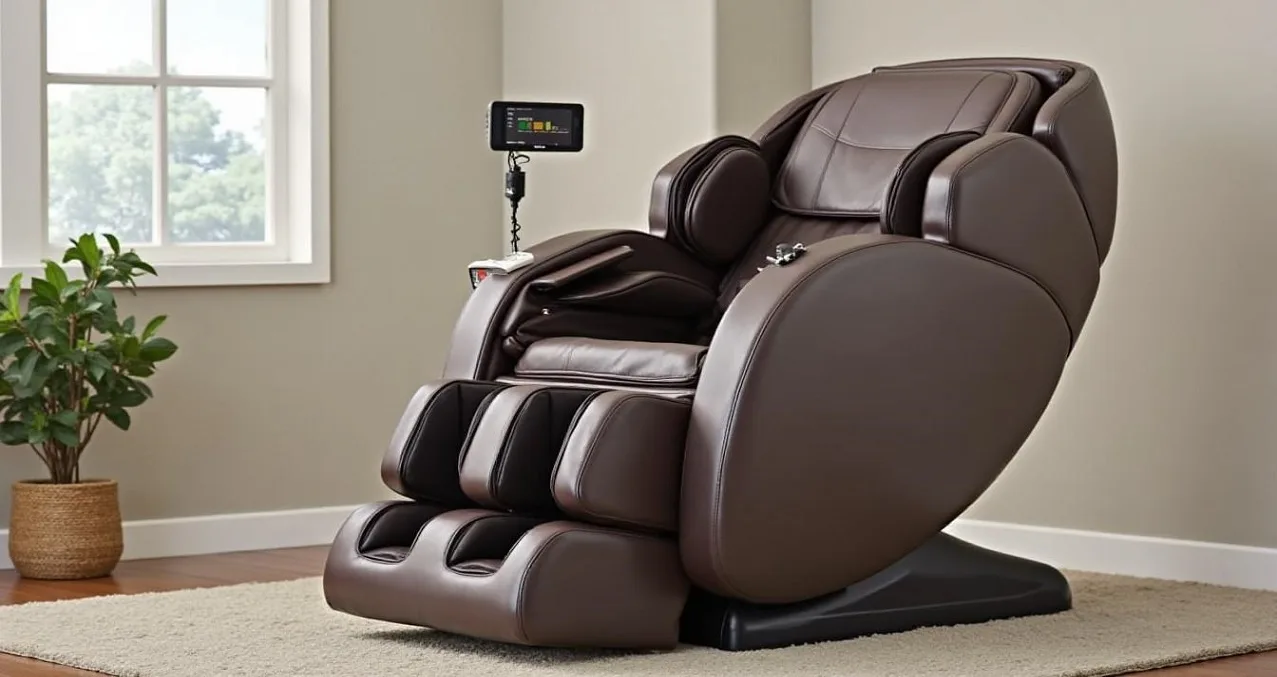
Massage chairs have quickly become a sought-after feature in many modern households. With features like zero-gravity positioning, body scanning, heat therapy, and multiple massage modes, they promise spa-like comfort without leaving your living room. For busy professionals and families, the idea of on-demand relaxation is appealing.
However, despite impressive technology, massage chairs do not replace real, hands-on massage therapy. While they can provide temporary relief and convenience, they lack the personalization, clinical awareness, and human connection that define professional massage treatment.
Here’s why the difference matters.
The Human Touch Cannot Be Programmed
One of the most important distinctions between a massage chair and a licensed massage therapist is the power of human touch.
A trained therapist develops the ability to feel subtle differences in muscle tone, tension, and tissue quality. They can identify areas of inflammation, tight fascia, or compensating muscles that are overworking due to posture or injury. As they work, they continuously adjust pressure, angle, and technique based on how your body responds in real time.
A massage chair operates on programmed movements. Even advanced models that scan body size and shoulder height cannot truly detect muscle condition. They apply pressure based on mechanical settings, not tactile feedback.
If pressure feels too intense or too light, you must manually adjust it. A therapist, on the other hand, senses discomfort immediately and adapts without interrupting the session.
That responsiveness makes a meaningful difference in both comfort and effectiveness.
Personalization Goes Beyond Settings
Massage therapy is not one-size-fits-all. Different people need different approaches depending on their lifestyle, physical condition, and goals.
Professional therapists are trained in multiple techniques, including:
-
Swedish massage
-
Deep tissue massage
-
Sports massage
-
Trigger point therapy
Each of these methods serves a specific purpose. Swedish massage focuses on relaxation and circulation. Sports massage supports athletic performance and recovery. Trigger point therapy addresses tight, painful muscle knots.
A massage chair may offer “relax,” “stretch,” or “deep” modes, but these are generalized programs. They cannot isolate a specific trigger point in your shoulder blade or adjust stroke direction to release restricted fascia.
For someone recovering from an injury or dealing with chronic neck or lower back pain, targeted manual therapy often produces better results than automated routines.
Clinical Awareness and Safety
Massage therapy involves more than relaxation—it often intersects with health considerations.
Licensed massage therapists are trained to recognize when massage should be modified or avoided. For example, certain conditions require caution, such as:
-
Recent surgeries
-
Acute inflammation
-
Blood clot risks
-
Cardiovascular concerns
-
Pregnancy
A professional therapist asks about medical history before starting a session. They know how to adapt pressure and technique safely.
Massage chairs do not evaluate health history. They apply pressure regardless of underlying conditions. While generally safe for healthy individuals, they may not be appropriate for everyone.
This is especially important for people managing chronic health conditions. In these cases, human assessment adds a layer of protection that machines cannot provide.
Emotional and Psychological Benefits
Massage is not only physical—it also affects the nervous system.
Human touch has been shown to help lower stress levels and promote relaxation by activating the body’s parasympathetic response. A calm environment, steady breathing cues, and supportive interaction enhance these effects.
A therapist creates a setting designed for rest: quiet space, mindful pacing, and intentional communication. The session becomes an experience, not just a mechanical routine.
Massage chairs provide physical stimulation, but they do not offer emotional connection or reassurance. They cannot sense if you are anxious, fatigued, or overwhelmed. They cannot adjust the rhythm of touch to match your breathing or energy level.
For individuals experiencing high stress or burnout, that human element often makes a significant difference.
Ongoing Assessment and Progress
Another key difference is the ability to track progress.
A massage therapist notices improvements over time, such as:
-
Increased shoulder mobility
-
Reduced muscle tightness
-
Improved posture
-
Faster athletic recovery
They can adjust treatment plans as your body changes and recommend stretches or strengthening exercises to support long-term results.
Massage chairs provide consistent sessions, but they do not evaluate progress. Every massage follows a similar mechanical pattern.
If your goal is simple relaxation, this may be sufficient. But if you are addressing chronic pain or muscular imbalance, professional guidance often produces more lasting outcomes. People also search
Cost Versus Long-Term Value
Massage chairs can range from $1,500 to more than $8,000. At first glance, that may seem cost-effective compared to ongoing massage sessions.
However, long-term value depends on effectiveness. A massage chair offers convenience and unlimited use, but it lacks individualized care. Repairs and maintenance can also add to the cost over time.
Professional massage therapy may cost more per visit, but each session is tailored to your needs. The therapist adapts techniques based on your physical condition that day, which can enhance results and reduce the risk of discomfort.
Many people find the best balance is combining both—using a massage chair for routine relaxation and scheduling professional sessions periodically for deeper, targeted work.
When Massage Chairs Are Helpful
Massage chairs are not without benefits. They can be useful for:
-
Quick muscle relaxation after work
-
Daily stress relief
-
Supplementing therapy between appointments
-
Individuals with limited time
For households with multiple users, a massage chair can provide convenient access to basic muscle relief.
But convenience does not equal replacement.
The Limits of Technology
Modern massage chairs are impressive pieces of engineering. They can mimic kneading, rolling, tapping, and compression. Some even incorporate heat and stretching features.
Still, technology has limits.
Human hands can vary pressure in subtle ways, change direction instantly, and adjust technique based on tissue response. Therapists can slow down when an area feels restricted or shift approach when a muscle does not respond as expected.
Machines follow tracks and pre-programmed motions. They are consistent—but not intuitive.
That distinction matters most when dealing with complex tension patterns or long-standing discomfort. Learn more

Buymassager is a certified wellness specialist and health technology reviewer with over 12 years of experience testing therapeutic devices. As someone who personally manages [relevant condition like plantar fasciitis/neuropathy], they bring both professional expertise and real-world insight to product evaluations. Their work has been featured in [Health Magazine/Wellness Blog/Medical Review Site],
0 Comments