
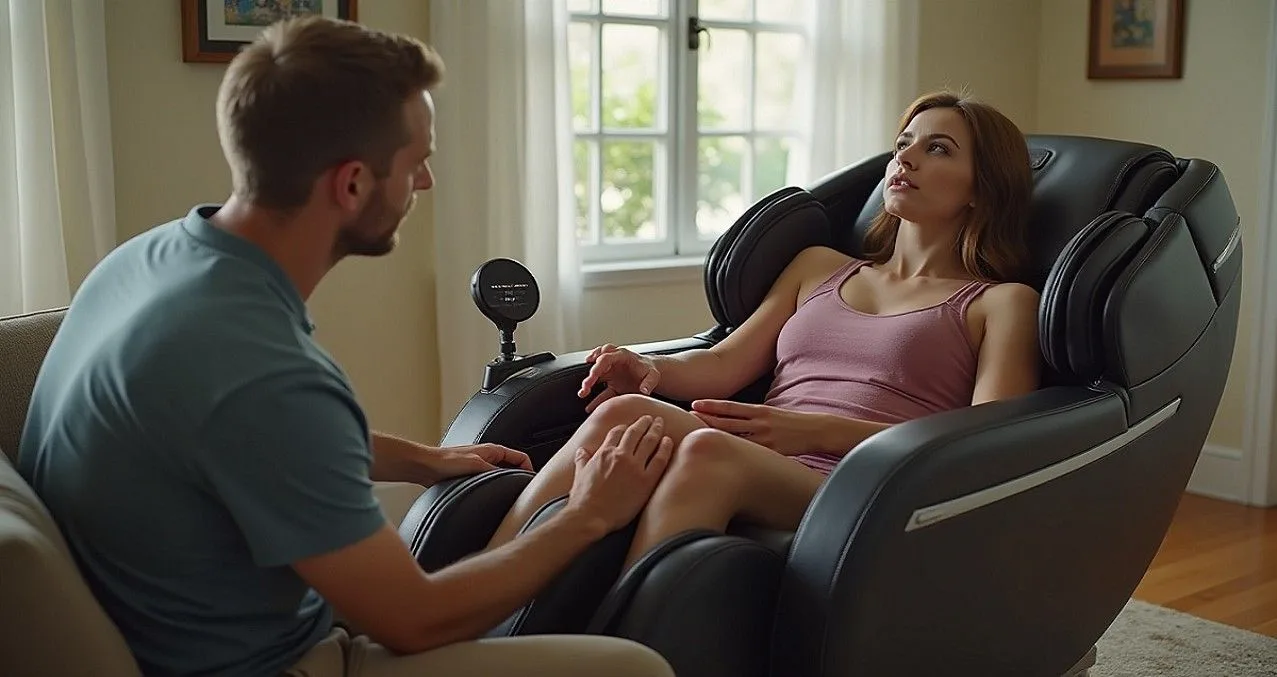
Why Massage Chairs Are Hard to Resell
Massage chairs promise luxury, stress relief, and spa-like comfort at home. With price tags ranging from a few hundred to several thousand dollars, buyers often justify the investment by assuming they can resell the chair later if needed. However, many owners are surprised to discover that massage chairs are extremely difficult to resell.
Understanding why massage chairs have low resale value requires looking at market demand, product design, depreciation, hygiene concerns, and buyer psychology. If you’re considering purchasing one—or trying to sell one—this guide explains the key factors that make massage chairs hard to resell.
The Rapid Depreciation Problem
One of the biggest reasons massage chairs are hard to resell is rapid depreciation.
Like cars and large appliances, massage chairs lose value immediately after purchase. A $3,000 chair can drop to $1,500 or less within the first year. Buyers shopping second-hand expect steep discounts because:
-
New models frequently enter the market
-
Technology improves quickly
-
Retailers often offer financing or promotions
When consumers can buy a new massage chair with a warranty and payment plan, they are far less motivated to purchase a used one at a modest discount.
High Shipping and Moving Costs
Massage chairs are heavy, bulky, and difficult to transport.
Most models weigh between 150 and 300 pounds. They often require partial disassembly to move and may not fit easily through narrow staircases or doorways. This creates several problems:
-
High local moving costs
-
Expensive freight shipping fees
-
Risk of damage during transport
Unlike small electronics or furniture that can be easily loaded into a vehicle, massage chairs require planning, manpower, and sometimes professional movers. Many buyers simply don’t want the hassle.
Hygiene and Personal Use Concerns
Massage chairs are highly personal items. Buyers often hesitate because of hygiene concerns.
Unlike a dining table or bookshelf, massage chairs come into direct contact with:
-
Skin
-
Sweat
-
Body oils
-
Clothing friction
Even if the chair appears clean, many buyers worry about hidden wear in the upholstery or internal padding. This psychological barrier significantly reduces demand in the second-hand market.
Limited Buyer Market
The resale market for massage chairs is extremely niche.
Not everyone wants a massage chair. It is considered a luxury item rather than a necessity. Potential buyers must:
-
Have enough space in their home
-
Want regular massage sessions
-
Be comfortable with the style and size
-
Have the budget available
This already small audience shrinks further when purchasing used. The pool of interested buyers becomes very limited, making it harder to sell quickly.
Warranty and Repair Issues
Most massage chair warranties are non-transferable.
Buyers are often concerned about mechanical failure. Massage chairs include:
-
Motors
-
Rollers
-
Air compression systems
-
Electronic controls
-
Heating elements
If any component fails, repairs can be expensive. Without warranty protection, buyers assume significant risk. This leads them to prefer buying new rather than used.
Even if the chair works perfectly at the time of sale, mechanical wear over time can create uncertainty that discourages resale buyers.
Fast-Changing Technology
Massage chair technology evolves rapidly.
Newer models often include features like:
-
Zero gravity positioning
-
AI body scanning
-
Bluetooth speakers
-
App connectivity
-
Advanced 4D or 5D rollers
When technology advances quickly, older models feel outdated—even if they still function well. Buyers comparing options online often choose newer versions instead of purchasing older second-hand units.
Size and Space Constraints
Massage chairs take up significant floor space.
Modern homes, apartments, and condos often prioritize minimalism. Large massage chairs can dominate a room visually and physically. Buyers may hesitate because:
-
They lack sufficient space
-
The chair does not match their decor
-
They prefer multi-functional furniture
Unlike couches or beds, which are essential, massage chairs are optional. When space is limited, optional furniture is the first to go.
Low Perceived Urgency
Resale success often depends on urgency. Massage chairs rarely create urgency among buyers.
If someone needs a couch, they search actively and quickly. But massage chairs are impulse or luxury purchases. Buyers typically take time to research and compare options, which slows the resale process significantly.
Sellers may wait weeks or months before finding a serious buyer—if they find one at all.
Online Marketplace Challenges
Many sellers turn to platforms like Facebook Marketplace, Craigslist, or eBay. However, these platforms present challenges:
-
Local pickup limitations
-
Price negotiation pressure
-
Low-ball offers
-
Scams and unreliable buyers
Because massage chairs are expensive items, buyers often try to negotiate aggressively. Sellers frequently must reduce prices well below expectations to close a deal.
Financing Availability for New Chairs
Retailers often offer:
-
0% financing
-
Buy-now-pay-later plans
-
Extended warranties
-
Free delivery
These incentives make buying new much more attractive than purchasing used. When a buyer can get a brand-new chair delivered and financed monthly, the appeal of saving a few hundred dollars on a used model decreases significantly.
Emotional vs. Practical Purchase
Massage chairs are often bought emotionally rather than practically.
Buyers may purchase one after trying it in a showroom or during a stressful period. Later, they may realize:
-
They use it less than expected
-
It takes up too much space
-
It doesn’t fit their lifestyle
When selling, they discover that others also see it as a non-essential luxury rather than a must-have item.
Upholstery Wear and Cosmetic Damage
Even minor cosmetic wear affects resale value dramatically.
Common issues include:
-
Peeling synthetic leather
-
Scratches on arm panels
-
Worn padding
-
Fading
Because massage chairs are premium-looking products, cosmetic imperfections stand out. Buyers expect used chairs to look almost new if they are paying a substantial price. People also search
Assembly Complexity
Some massage chairs are difficult to assemble and disassemble.
If the original packaging is unavailable, transportation becomes more complicated. Buyers may worry about improper reassembly affecting performance or safety.
Without original boxes and manuals, resale becomes even harder.
What Sellers Can Do to Improve Resale Chances
While resale is challenging, it is not impossible. Sellers can increase their chances by:
-
Keeping original packaging
-
Maintaining the chair carefully
-
Cleaning and sanitizing thoroughly
-
Providing proof of purchase
-
Offering a deep discount
-
Including detailed photos and videos
Pricing competitively from the start is essential. Overpricing a used massage chair usually results in no interest.
Should You Buy a Massage Chair With Resale in Mind?
If resale value is important to you, a massage chair may not be the best investment.
Unlike furniture with broader appeal, massage chairs are specialized luxury items with:
-
High depreciation
-
Limited buyer demand
-
Expensive transportation
-
Mechanical risk
It is best to purchase a massage chair only if you plan to use it long-term and view it as a personal wellness investment—not a resellable asset. Learn more

Buymassager is a certified wellness specialist and health technology reviewer with over 12 years of experience testing therapeutic devices. As someone who personally manages [relevant condition like plantar fasciitis/neuropathy], they bring both professional expertise and real-world insight to product evaluations. Their work has been featured in [Health Magazine/Wellness Blog/Medical Review Site],
0 Comments