
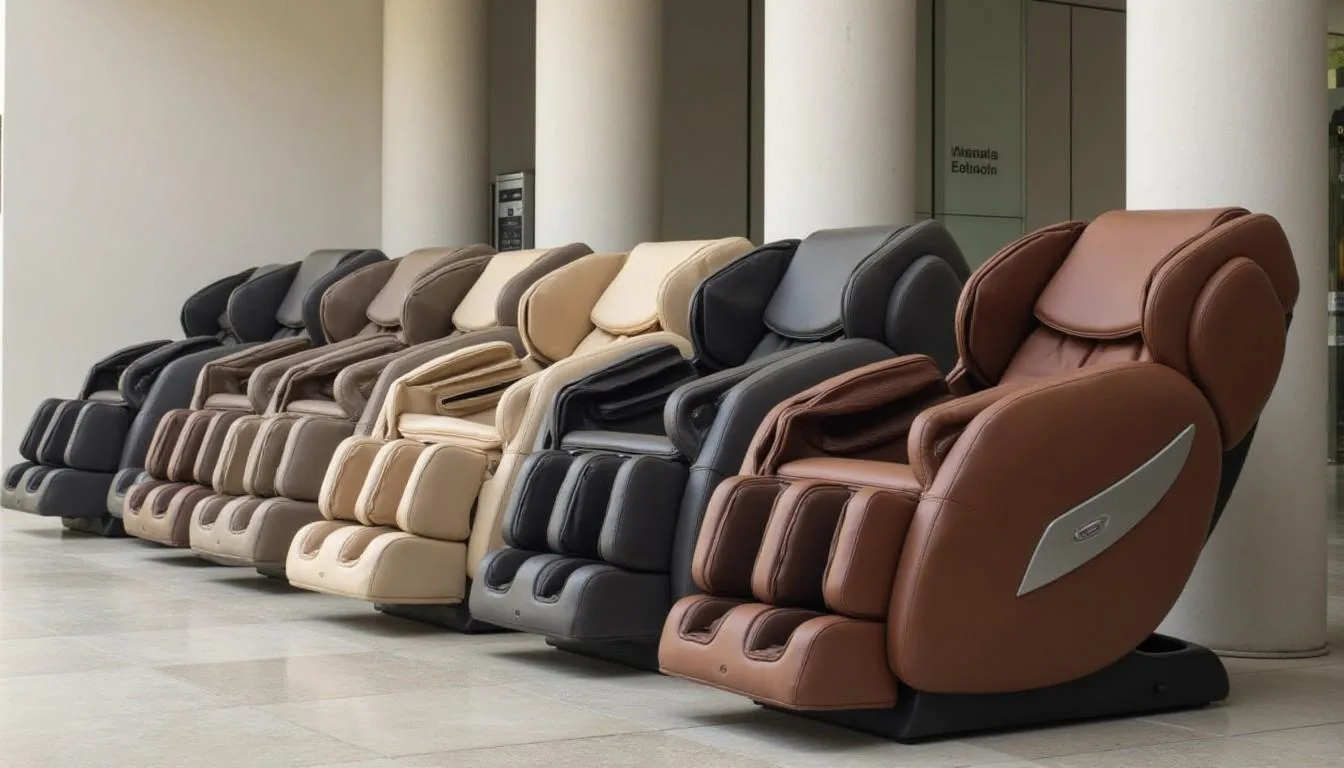
Why Cheaper Massage Chairs Disappoint Quickly
Massage chairs are often marketed as affordable shortcuts to daily relaxation and muscle relief. Entry-level models, sometimes priced under $1,000, promise many of the same benefits as premium chairs—rolling massage, vibration settings, heat therapy, and even zero-gravity recline. For budget-conscious buyers, these lower prices can seem like a smart compromise. However, many consumers find that cheaper massage chairs disappoint far sooner than expected.
Understanding why this happens requires looking beyond the price tag and examining build quality, durability, performance consistency, comfort, and long-term usability.
Lower Build Quality and Materials
One of the most significant differences between cheaper and premium massage chairs is material quality. Budget models often use thinner synthetic upholstery, lighter internal frames, and less durable mechanical components.
Common issues reported with lower-cost chairs include:
-
Peeling or cracking upholstery within a short period
-
Squeaking or rattling during operation
-
Reduced padding that flattens quickly
-
Loosening screws or frame instability
Because massage chairs involve repeated mechanical motion and weight-bearing pressure, structural integrity is essential. Lower-cost materials may reduce manufacturing expenses, but they also shorten the lifespan of the chair. What initially feels like a good deal can turn into frustration within months or a few years.
Weaker Motors and Limited Roller Systems
Massage chairs rely on motors and roller mechanisms to deliver pressure and movement. In cheaper models, these systems are often simplified to cut costs.
Many budget chairs use basic 2D roller systems with limited range and shallow pressure depth. This can result in:
-
Uneven pressure distribution
-
Inability to reach deeper muscle layers
-
Limited coverage along the spine
-
Repetitive, less natural movement patterns
Higher-end chairs may include 3D or 4D rollers that adjust intensity and depth dynamically. Cheaper models typically lack this adaptability, making the massage feel mechanical rather than therapeutic.
Over time, weaker motors may also lose strength, resulting in inconsistent performance or early mechanical failure.
Minimal Customization Options
Personalization plays a major role in satisfaction. Body size, muscle tension, and pressure tolerance vary widely from person to person. Budget chairs often provide only a handful of preset programs with limited manual adjustment.
Without advanced body scanning or customizable intensity settings, users may experience:
-
Pressure that feels too weak or too strong
-
Rollers that don’t align properly with their spine
-
Programs that fail to target specific tension areas
When a massage feels generic or uncomfortable, regular use declines quickly. Limited customization contributes significantly to early disappointment.
Inconsistent Heat and Compression Features
Heat therapy and air compression systems are common selling points, even in lower-priced chairs. However, in budget models, these features are often less refined.
Heat functions may:
-
Provide minimal warmth
-
Be restricted to one small area
-
Take a long time to activate
Air compression systems in cheaper chairs may feel uneven or overly aggressive. In some cases, airbags deflate prematurely due to lower-quality materials.
While these features may sound appealing in product descriptions, their real-world performance often fails to meet expectations.
Shorter Lifespan and Higher Failure Rates
Massage chairs are complex machines with multiple moving parts. Lower-priced models frequently cut costs by using less durable motors, electronics, and wiring systems.
Over time, this can lead to:
-
Roller misalignment
-
Airbag leaks
-
Remote or control panel malfunctions
-
Sudden power failures
Repairing a budget massage chair can be challenging. Replacement parts may be unavailable, and service support may be limited. In some cases, repair costs approach or exceed the original purchase price, making replacement the only practical option.
What initially appears to be an affordable purchase can become more expensive when factoring in early replacement.
Limited Warranty Coverage
Warranty terms often reflect manufacturer confidence in product durability. Cheaper massage chairs frequently come with shorter or more restrictive warranties.
Coverage may exclude:
-
Labor costs
-
Specific components like upholstery
-
Normal wear and tear
Even when warranties are offered, customer service quality can vary significantly among lower-cost brands. Delays, limited technician availability, or complicated claim processes can increase frustration.
A shorter warranty combined with higher failure rates contributes to long-term dissatisfaction.
Comfort Compromises
Massage quality is only part of the overall experience. Comfort while sitting in the chair matters just as much.
Budget models often have:
-
Thinner cushioning
-
Less ergonomic design
-
Limited recline functionality
-
Narrower seating space
If the chair feels uncomfortable as a regular seat, users are unlikely to use it consistently. Premium chairs are typically designed with ergonomic contouring to support natural spinal alignment, while cheaper models may prioritize cost over comfort.
Over time, poor seating design can diminish both relaxation and overall satisfaction.
Rapid Loss of Novelty
For many buyers, the excitement of owning a massage chair fades quickly. In cheaper models, repetitive programs and limited performance amplify this effect.
When the massage feels predictable or ineffective, usage frequency declines. Without consistent perceived benefit, the chair may sit unused, occupying valuable space.
Because budget chairs lack advanced features that maintain engagement—such as customizable routines or deeper intensity adjustments—users may lose interest sooner. people also search
Space and Practical Concerns
Even inexpensive massage chairs are large and heavy. When disappointment sets in, relocating or reselling the chair can be difficult.
Low resale value further compounds dissatisfaction. Buyers are often hesitant to purchase used budget chairs due to concerns about durability and hygiene.
This makes cheap massage chairs harder to offload, leaving owners stuck with an underperforming product.
Marketing vs. Reality
Budget massage chairs are often marketed with impressive feature lists. Terms like “zero gravity,” “full body massage,” and “deep tissue therapy” can create high expectations.
However, feature presence does not guarantee feature quality. A low-cost chair may technically include these functions but deliver them at a basic level.
When expectations are set by marketing language rather than realistic performance standards, disappointment becomes more likely.
Who Might Still Consider a Budget Model?
While cheaper massage chairs frequently disappoint, they may still appeal to:
-
Individuals seeking occasional light relaxation
-
Those with limited budgets who understand the trade-offs
-
Buyers using the chair as a temporary solution
However, even in these cases, researching brand reputation, warranty coverage, and verified customer reviews is critical. learn more

Buymassager is a certified wellness specialist and health technology reviewer with over 12 years of experience testing therapeutic devices. As someone who personally manages [relevant condition like plantar fasciitis/neuropathy], they bring both professional expertise and real-world insight to product evaluations. Their work has been featured in [Health Magazine/Wellness Blog/Medical Review Site],
0 Comments