
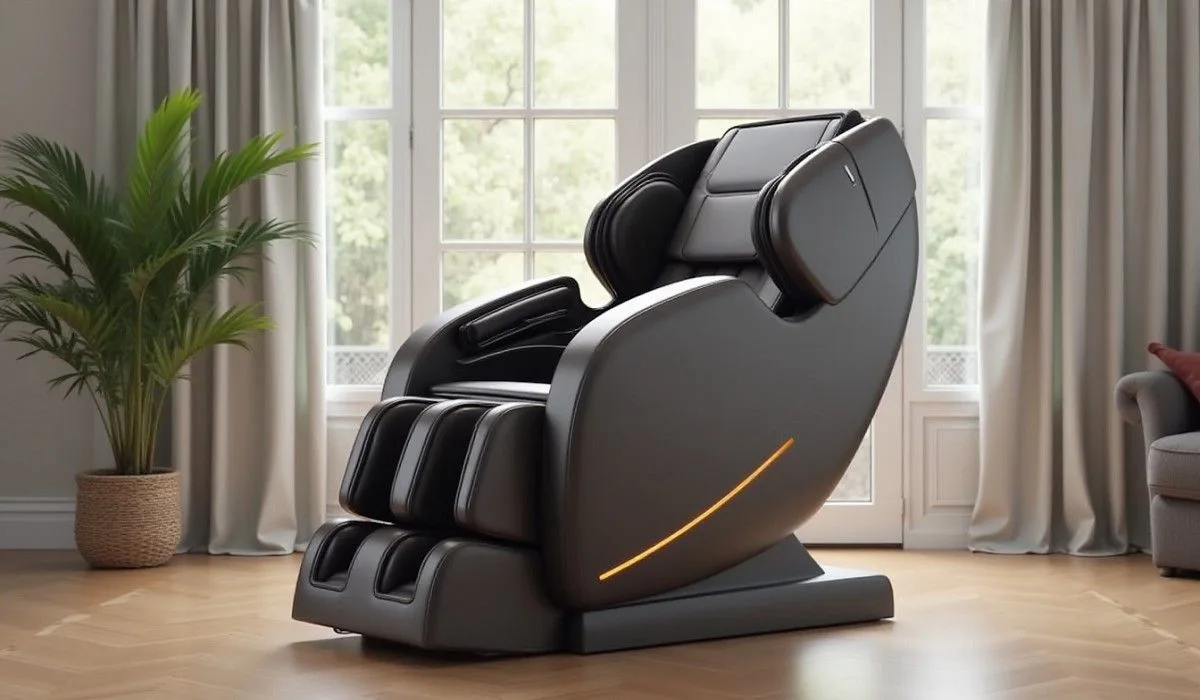
Why Massage Chairs Aren’t a Smart Long-Term Investment
Massage chairs are often marketed as the ultimate at-home wellness upgrade—promising daily relaxation, muscle recovery, and long-term savings compared to professional massage therapy. With sleek designs, advanced body-scanning technology, heat therapy, and multiple massage programs, they can appear to be a practical and even cost-effective solution for stress and muscle tension. However, when examined through the lens of long-term value, durability, health outcomes, and financial return, massage chairs may not be the smart investment they initially seem to be.
This perspective isn’t about dismissing massage chairs entirely. Some individuals genuinely enjoy and benefit from them. But for those considering a significant purchase—often ranging from $1,000 to $8,000 or more—it’s important to weigh the long-term realities carefully.
High Upfront Cost with Limited Lifespan
One of the most significant concerns with massage chairs is the initial price. High-quality models often cost as much as a premium sofa set or major home appliance. While companies frequently frame this as a “one-time investment” that replaces ongoing massage appointments, the math doesn’t always support that claim.
Most massage chairs have a functional lifespan of approximately 5 to 10 years, depending on build quality, usage frequency, and maintenance. Mechanical components—rollers, motors, airbags, and electronic panels—are subject to wear and tear. Unlike traditional furniture, massage chairs contain complex internal systems that can fail over time.
Repairs can be expensive, especially outside the warranty period. Replacement parts may be difficult to source, and service calls can cost hundreds of dollars. In some cases, repair costs approach the value of the chair itself, making replacement more practical than repair. From a long-term investment standpoint, this depreciation and maintenance risk should be factored into the decision.
Rapid Technology Obsolescence
Massage chairs are increasingly technology-driven products. Many models feature touchscreen controls, Bluetooth connectivity, app integration, and automated body scanning. While these features may seem impressive initially, they also contribute to faster obsolescence.
Just like smartphones and other tech products, newer models with upgraded features are released regularly. Within a few years, an expensive chair may feel outdated. Software compatibility issues or discontinued app support can reduce functionality over time. Unlike timeless furniture pieces that retain aesthetic value, massage chairs often depreciate quickly due to shifting technology standards.
Limited Resale Value
Another important consideration is resale value. Unlike high-end furniture brands or certain fitness equipment that retain partial value in secondary markets, massage chairs typically have poor resale performance.
Their large size, heavy weight (often exceeding 150–250 pounds), and complex electronics make transportation difficult. Many buyers are hesitant to purchase used massage chairs due to concerns about hygiene, mechanical wear, or lack of warranty coverage. As a result, resale prices tend to be significantly lower than the original purchase cost.
From a financial standpoint, this makes massage chairs more of a depreciating consumer product than a long-term asset.
Not a Substitute for Personalized Care
Massage chairs are designed to deliver generalized massage programs. Even with body-scanning technology, they cannot truly assess muscle imbalances, injury history, or individual pain patterns in the way a licensed massage therapist or physical therapist can.
Muscle soreness, chronic tension, and discomfort often have underlying causes such as poor posture, movement dysfunction, stress, or overtraining. While a massage chair may temporarily reduce the sensation of tension, it does not diagnose or correct these root issues.
For individuals managing chronic pain or specific conditions, investing in guided therapy sessions, corrective exercise programs, ergonomic improvements, or strength training may provide longer-lasting benefits. A massage chair may offer short-term relief but may not contribute to meaningful long-term physical improvements.
Space and Lifestyle Considerations
Massage chairs are large and often dominate a room visually. Even compact models require substantial floor space and clearance for reclining functions. For households with limited square footage, this can restrict furniture layout flexibility.
Lifestyle changes also matter. If you move homes, downsize, or redesign your living space, relocating a heavy massage chair can be inconvenient and costly. Professional movers may charge additional fees due to size and weight. Over time, the chair may become more of a logistical burden than a convenience.
Diminishing Usage Over Time
A common pattern reported by many owners of high-ticket home wellness equipment—massage chairs included—is declining use after the initial excitement fades. What begins as a daily routine may gradually become an occasional activity.
Habituation plays a role here. The novelty and relaxation effect may feel significant at first, but over time, users often adapt to the sensation. Without structured integration into a wellness routine, the chair can become underutilized.
When evaluating long-term value, it’s worth honestly assessing whether consistent use is realistic. A product used only a few times per month may not justify its cost compared to alternatives like occasional professional massages or more versatile wellness investments.
Maintenance and Durability Concerns
Massage chairs include upholstery, motors, airbags, heating elements, and electronic components. Over time, upholstery may crack or wear, especially in high-contact areas. Airbags can lose pressure efficiency, and rollers may become misaligned.
Extended warranties are often offered—but they add to the total cost. Even with coverage, warranty claims may involve delays, part replacements, or service scheduling complications.
Unlike simpler furniture that can last decades with minimal upkeep, massage chairs are closer to appliances in terms of maintenance expectations.
Health Claims vs. Reality
Marketing language around massage chairs sometimes implies dramatic health benefits, including toxin removal, major pain elimination, or medical-grade therapy. However, most of these claims should be interpreted cautiously.
Massage—manual or mechanical—may help reduce perceived muscle tension, encourage relaxation, and temporarily improve circulation. However, it does not replace medical treatment, structured rehabilitation, or strength development.
For long-term musculoskeletal health, evidence consistently supports regular movement, resistance training, mobility work, adequate sleep, and proper ergonomics. A massage chair can complement these habits but cannot replace them.
If budget allocation is a consideration, investing in adjustable office chairs, ergonomic desks, fitness equipment, guided training programs, or physical therapy sessions may yield more sustained benefits. people also search
Opportunity Cost
Every major purchase involves opportunity cost—the value of alternative uses for the same funds. A $5,000 massage chair could instead fund:
-
Multiple years of professional massage therapy
-
A comprehensive home gym setup
-
Physical therapy for injury prevention
-
Ergonomic office improvements
-
Wellness retreats or stress management programs
When viewed through this broader financial lens, massage chairs may not offer the most flexible or impactful long-term return.
Who Might Still Benefit?
While massage chairs may not be a strong long-term investment for many households, there are exceptions. Individuals with demanding physical jobs, limited access to massage therapists, or strong preferences for daily mechanical massage may find consistent value.
However, even in these cases, evaluating durability, warranty terms, service accessibility, and realistic usage patterns remains essential before purchasing. Learn more

Buymassager is a certified wellness specialist and health technology reviewer with over 12 years of experience testing therapeutic devices. As someone who personally manages [relevant condition like plantar fasciitis/neuropathy], they bring both professional expertise and real-world insight to product evaluations. Their work has been featured in [Health Magazine/Wellness Blog/Medical Review Site],
0 Comments