
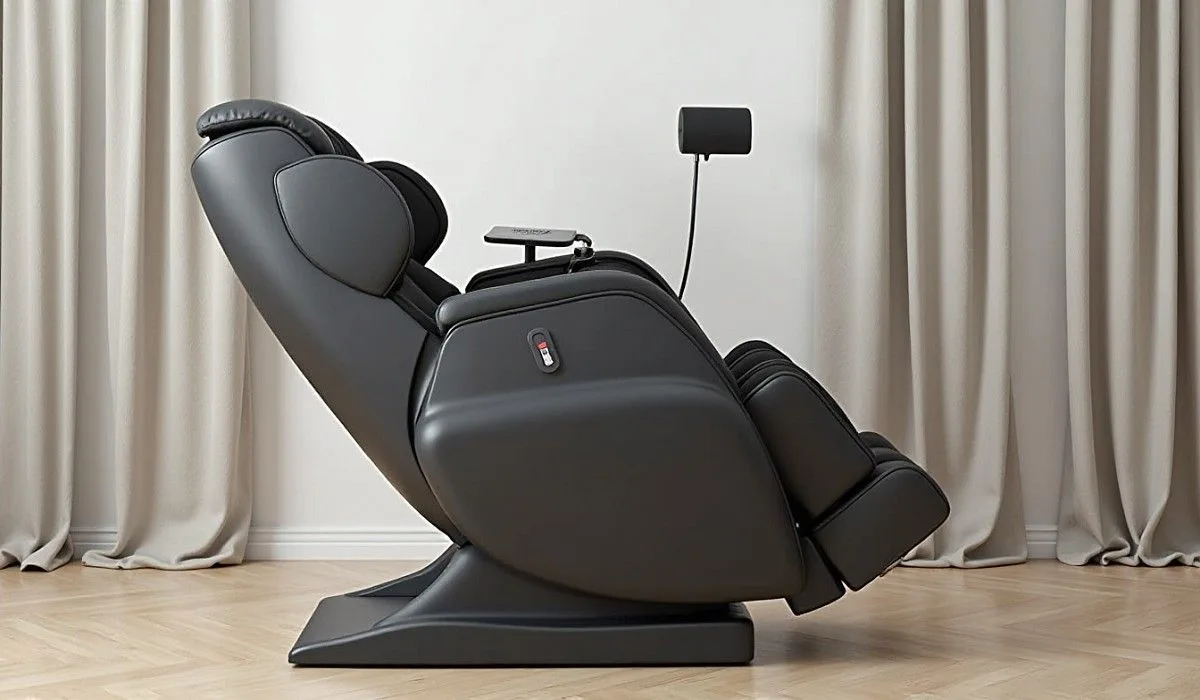
Why Massage Chairs Often Disappoint Buyers
Massage chairs are marketed as the ultimate solution for stress muscle tension and modern fatigue. The promise is simple. Bring the spa home press a button and relax whenever you want. For many buyers this idea feels like a smart investment in comfort and wellness. Yet a large number of owners later admit they feel disappointed with their purchase.
This article explores why massage chairs often disappoint buyers using real world experiences practical insights and realistic expectations. The goal is not to discourage purchase but to provide clear trustworthy information that helps readers understand what massage chairs can and cannot deliver.
Expectations Are Set Too High From the Start
One of the biggest reasons massage chairs disappoint buyers is unrealistic expectations. Advertising often suggests that massage chairs provide deep therapeutic benefits similar to professional massage or even medical treatment. While massage chairs can offer relaxation and temporary relief they are not designed to diagnose treat or fix physical conditions. When buyers expect lasting pain relief posture correction or complete stress elimination the reality falls short.
The Experience Changes After the First Few Weeks
The first few uses of a massage chair often feel impressive. The movements feel strong the technology feels advanced and the experience feels new. Over time this excitement fades. The massage patterns become predictable. The body adapts to the sensation. What once felt powerful begins to feel routine or even boring. Many owners find themselves using the chair less and less as weeks pass. When an expensive purchase becomes rarely used frustration grows.
Massage Chairs Cannot Replace Human Touch
A major source of disappointment comes from comparing massage chairs to human massage. A massage therapist adjusts pressure technique and focus based on your body language breathing and feedback. They can respond to tight spots and avoid sensitive areas. Massage chairs follow pre programmed movements. Even with body scanning technology they cannot truly sense muscle tension or pain. This mechanical feel can leave users feeling unsatisfied especially those who value personalized care.
Comfort Is Not Universal
Massage chairs are designed for average body proportions. Real bodies vary widely. Some buyers find that rollers miss their shoulders or hit the lower back awkwardly. Others feel the pressure is too intense or not strong enough. Taller shorter or broader users are more likely to experience fit issues. Because comfort is personal what feels relaxing to one person may feel uncomfortable to another.
Space and Design Become an Issue
Massage chairs are large and heavy. Many buyers underestimate how much space they require. Once placed in a room the chair often dominates the area. Furniture may need to be rearranged to accommodate it. In smaller homes or apartments this can quickly become frustrating. Moving the chair is difficult and sometimes impractical. Over time what once felt like a luxury can feel like a burden.
Real Life Reduces Usage
Most buyers imagine using their massage chair daily. In reality life gets busy. Long workdays family responsibilities and fatigue can make even sitting in the chair feel like effort. Sometimes lying down or watching television feels easier. As usage drops the cost feels harder to justify. The chair becomes a reminder of money spent rather than comfort gained.
Maintenance and Repairs Are Overlooked
Massage chairs are complex machines with motors rollers airbags and electronics. Over time parts wear out. Repairs can be expensive and sometimes difficult to arrange. Warranties often cover limited periods and specific issues. Out of warranty repairs can cost hundreds or thousands. This hidden side of ownership catches many buyers off guard and adds to disappointment. People also search
Health Benefits Are Limited
Massage chairs can support relaxation and short term muscle relief. They do not treat injuries chronic pain or medical conditions. Some buyers purchase massage chairs hoping they will solve ongoing discomfort. When relief is temporary or inconsistent disappointment follows. Health professionals generally view massage chairs as a comfort tool not a treatment solution. Understanding this distinction is crucial.
Noise Can Reduce Relaxation
Massage chairs are not silent. Motors air pumps and rollers create noise during operation. For some users this sound is distracting. In shared living spaces it can disturb others. What was expected to be calming can become irritating. This small but persistent issue often contributes to reduced use over time.
Resale Value Is Lower Than Expected
Many buyers assume they can resell a massage chair if they no longer want it. In reality resale value is low. Massage chairs are heavy expensive to transport and appeal to a narrow market. Owners often recover only a small portion of the original price. This makes the disappointment feel more permanent.
Who Is Less Likely to Be Disappointed
Massage chairs tend to work best for people who:
-
Have enough space
-
Enjoy routine relaxation
-
Prefer light to moderate massage
-
Have realistic expectations
-
Test models carefully before buying
These buyers are more likely to feel satisfied and use the chair consistently. Learn more

Buymassager is a certified wellness specialist and health technology reviewer with over 12 years of experience testing therapeutic devices. As someone who personally manages [relevant condition like plantar fasciitis/neuropathy], they bring both professional expertise and real-world insight to product evaluations. Their work has been featured in [Health Magazine/Wellness Blog/Medical Review Site],
0 Comments